

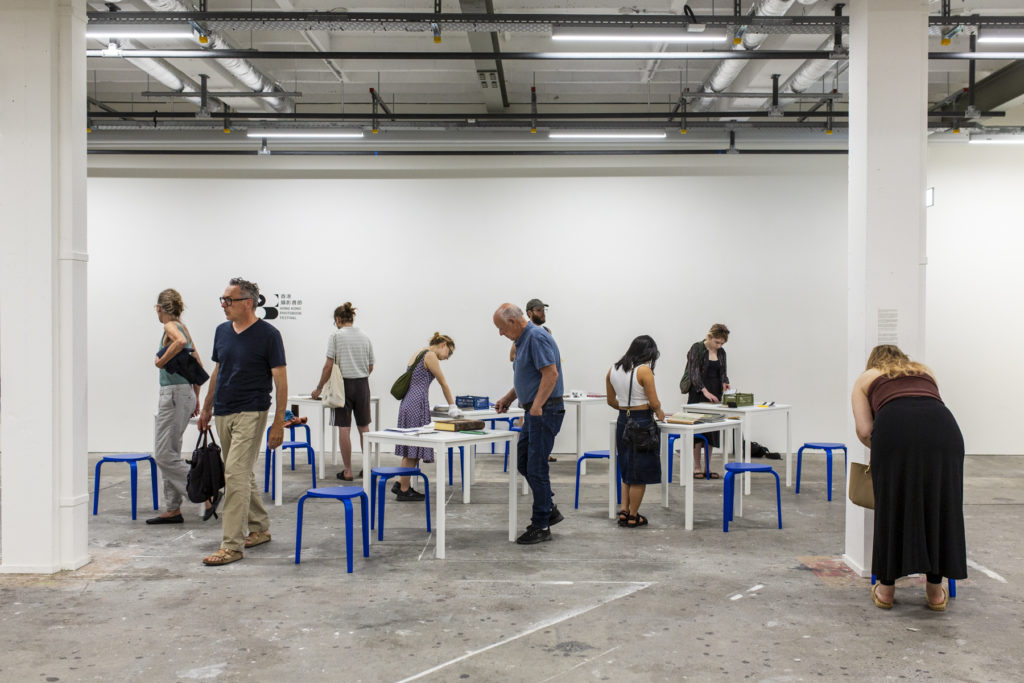
The Eranos Archive. Laboratory of the Anarchetypal is a collaborative project by artist Batia Suter and researcher in visual cultures Zoe A. Keller.
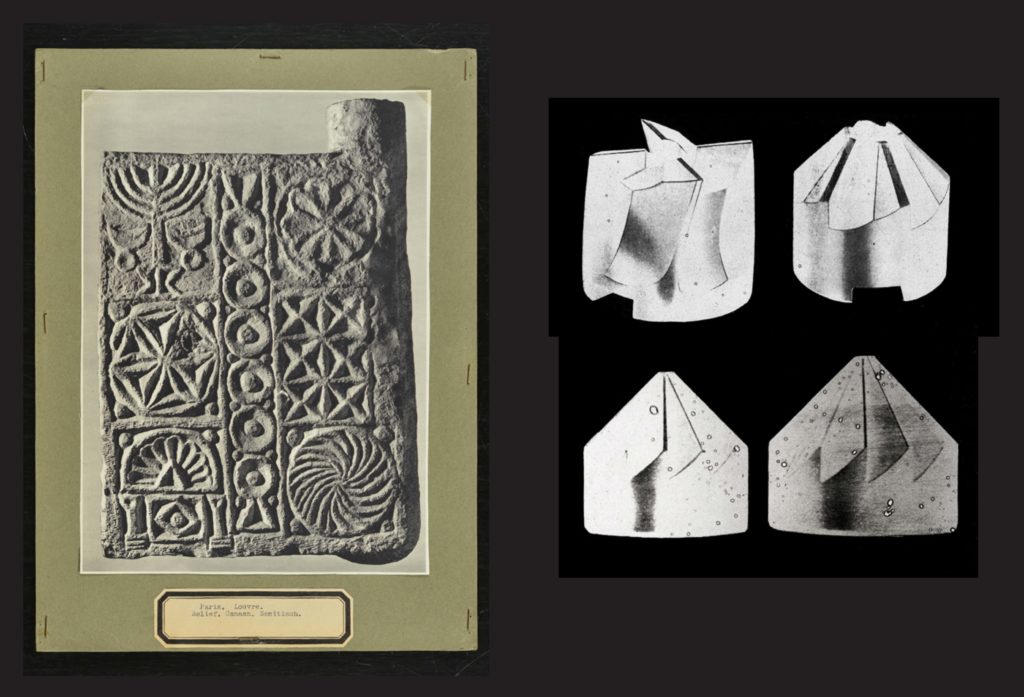
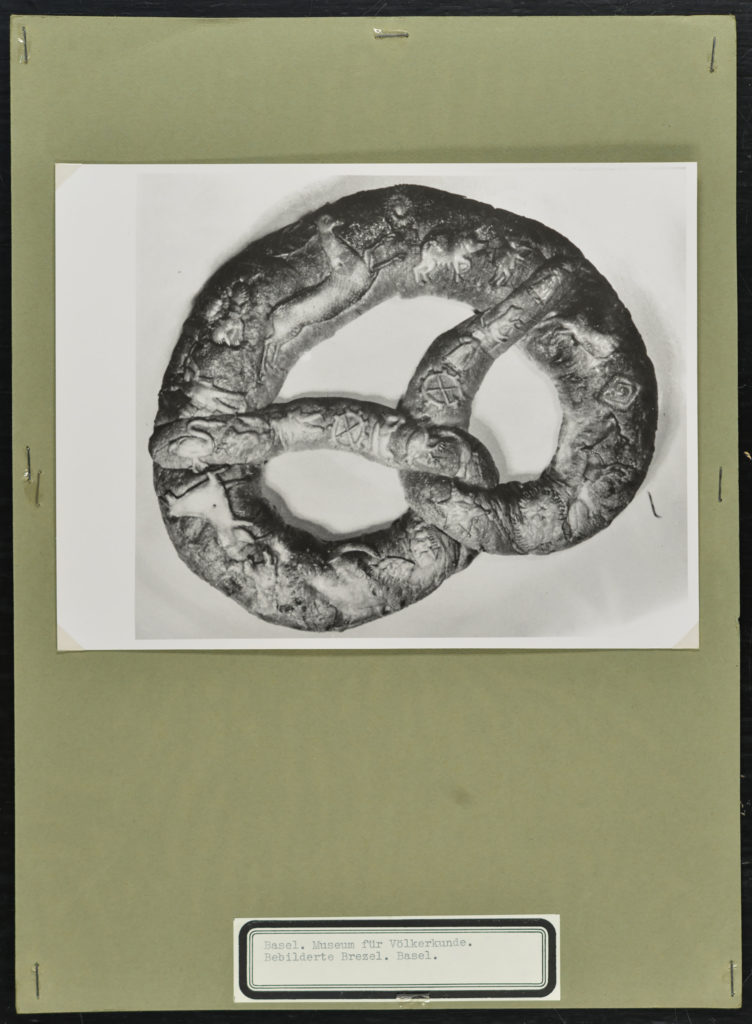
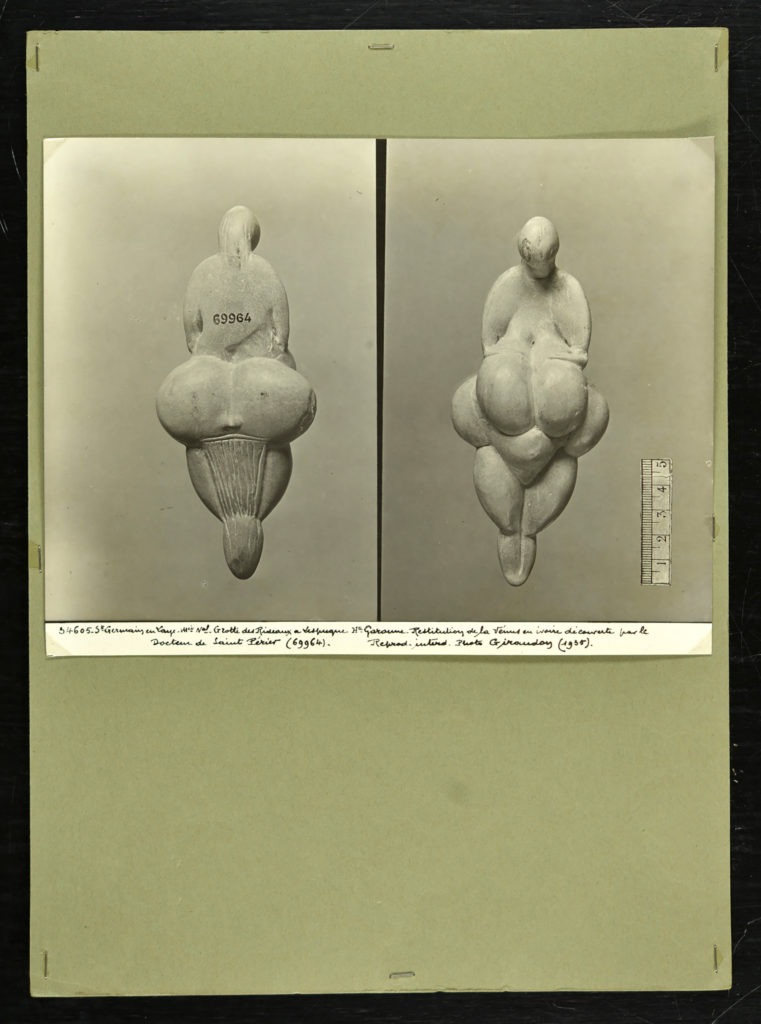
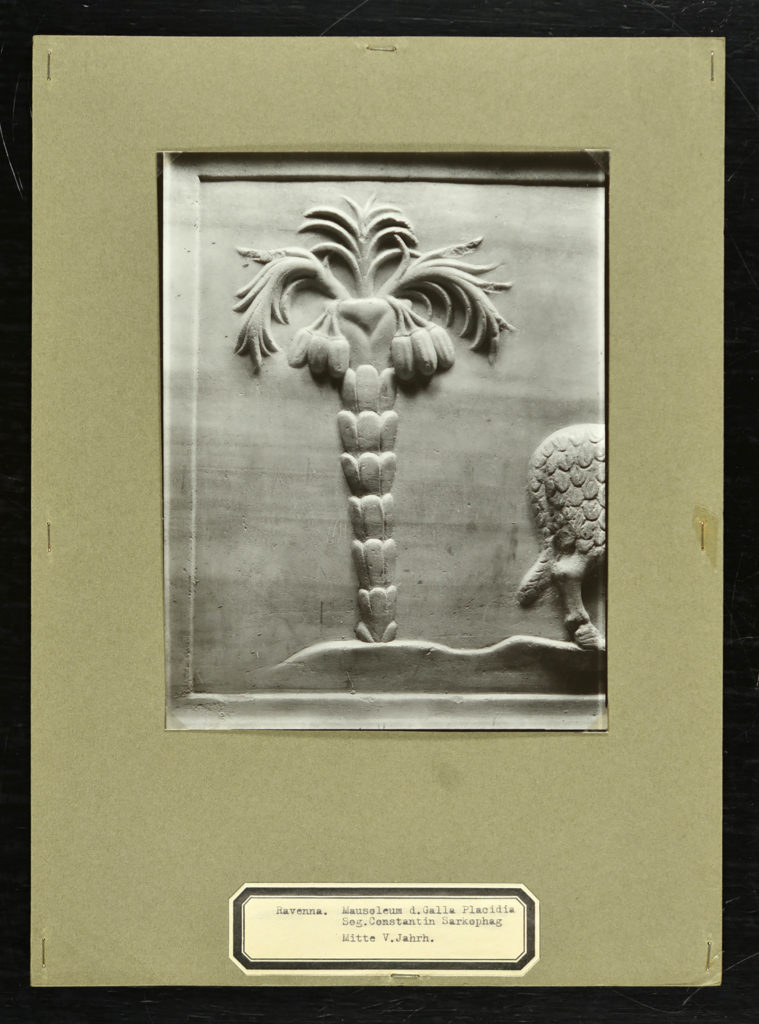
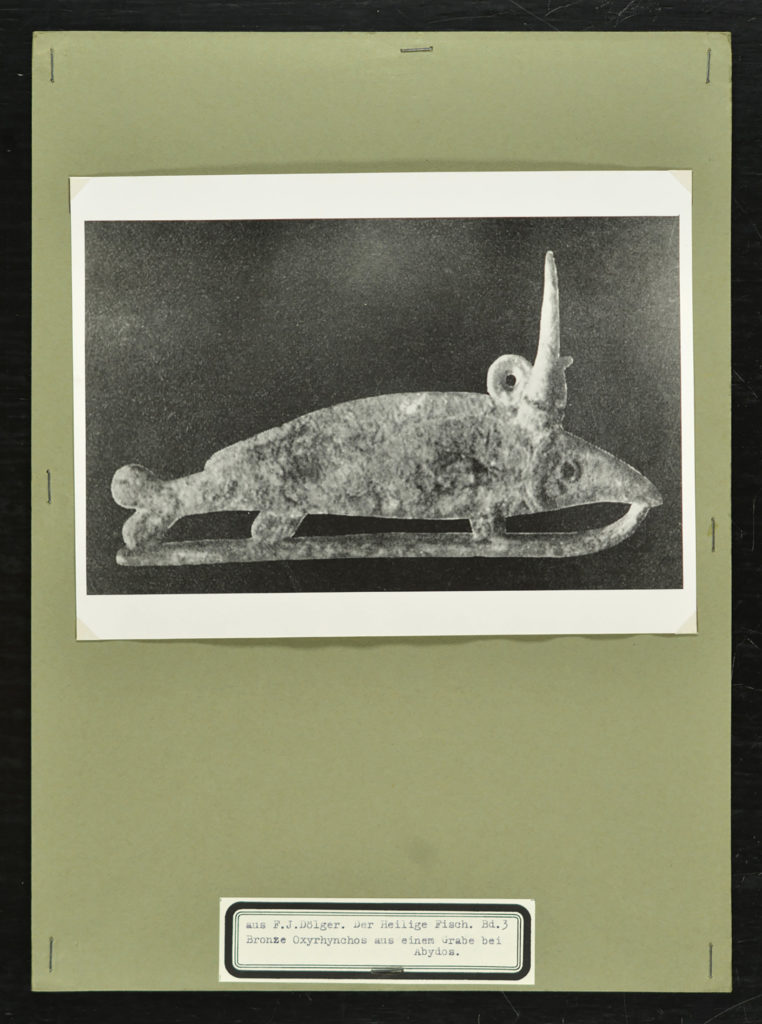
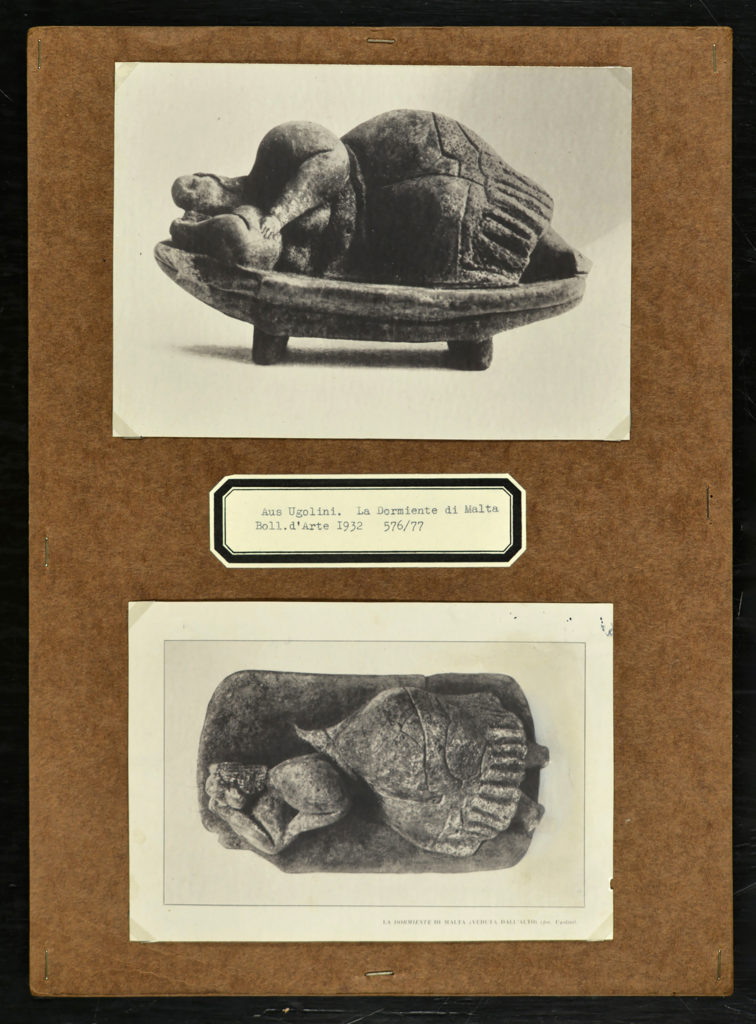
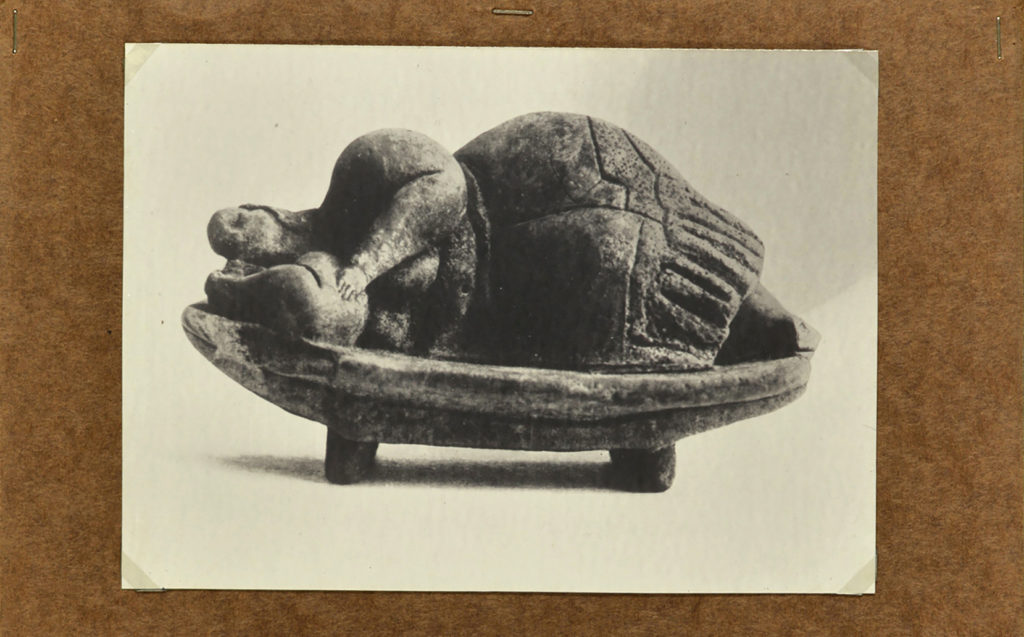
The exhibition takes as its starting point the Eranos Archive, a remarkable collection of approximately 3,000 archetypal images assembled by Olga Fröbe-Kapteyn between the 1920s and 1950s in Ascona, Ticino. Created in collaboration with Carl Gustav Jung, this iconographic collection was intended to serve Jung’s reflections on archetypes and the collective unconscious. Today, the archive is housed at the Warburg Institute in London and remains largely unseen by the public.
Through this project, Suter and Keller seek to reactivate the Eranos Archive as a space of contemporary reflection and a laboratory of the anarchetypal, a neologism coined by the artists combining the words anarchy and archetype. Their project explores the tensions and potentialities that emerge when historical image collections are viewed through the lens of present-day visual and theoretical practices.
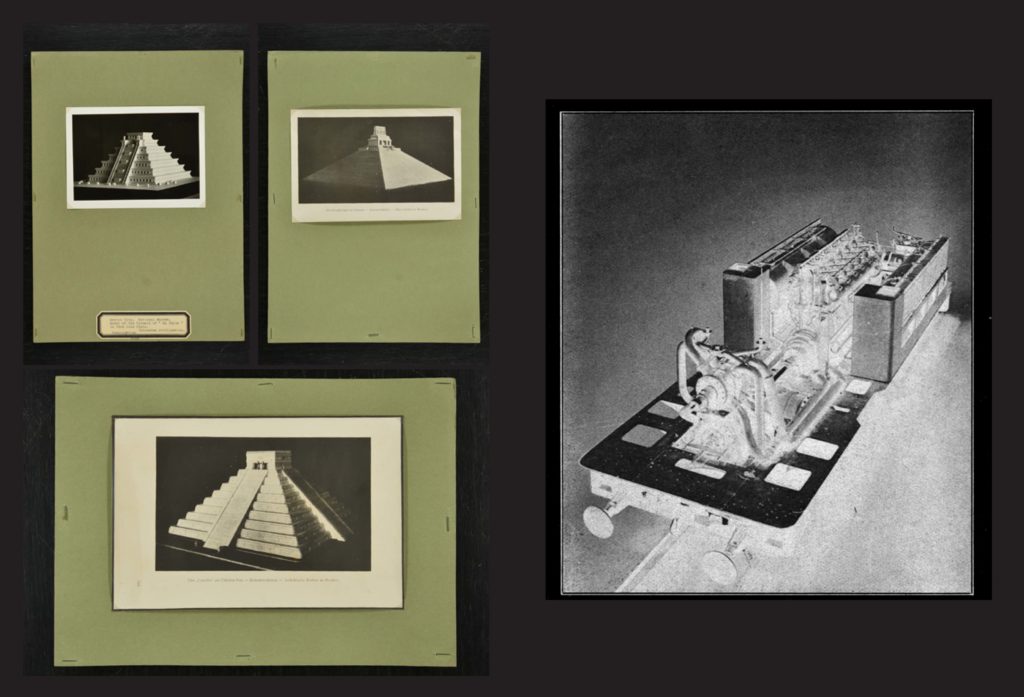
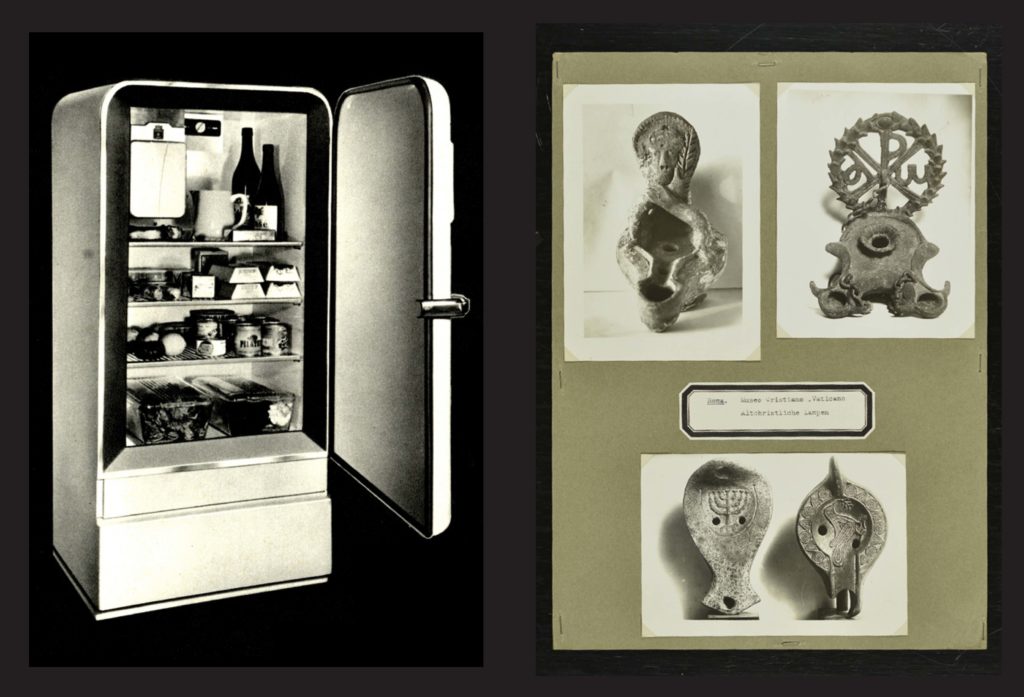
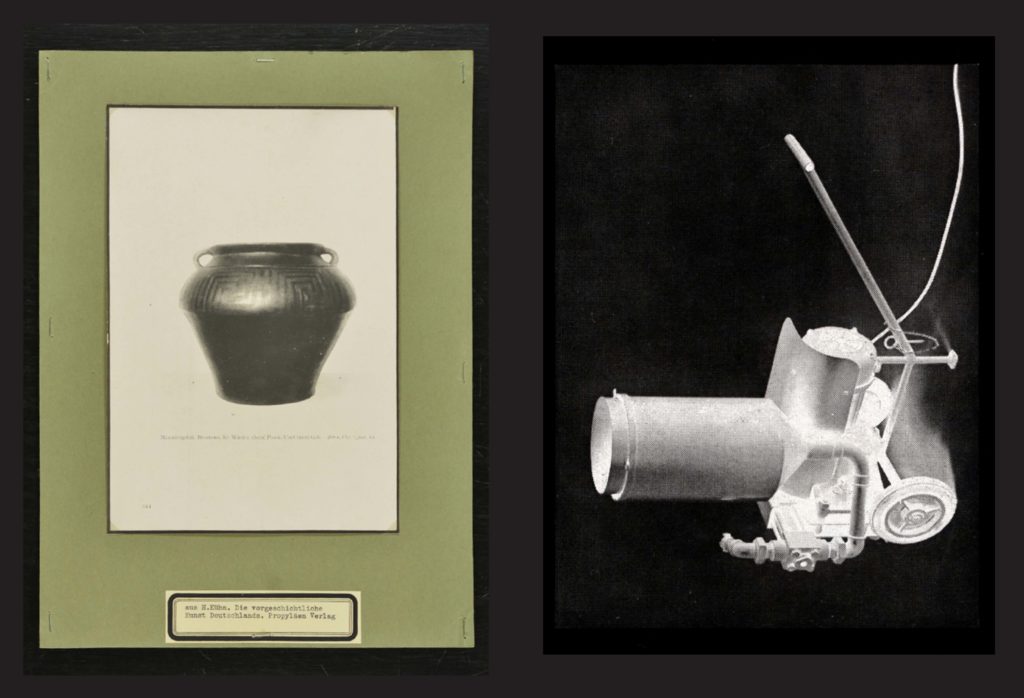
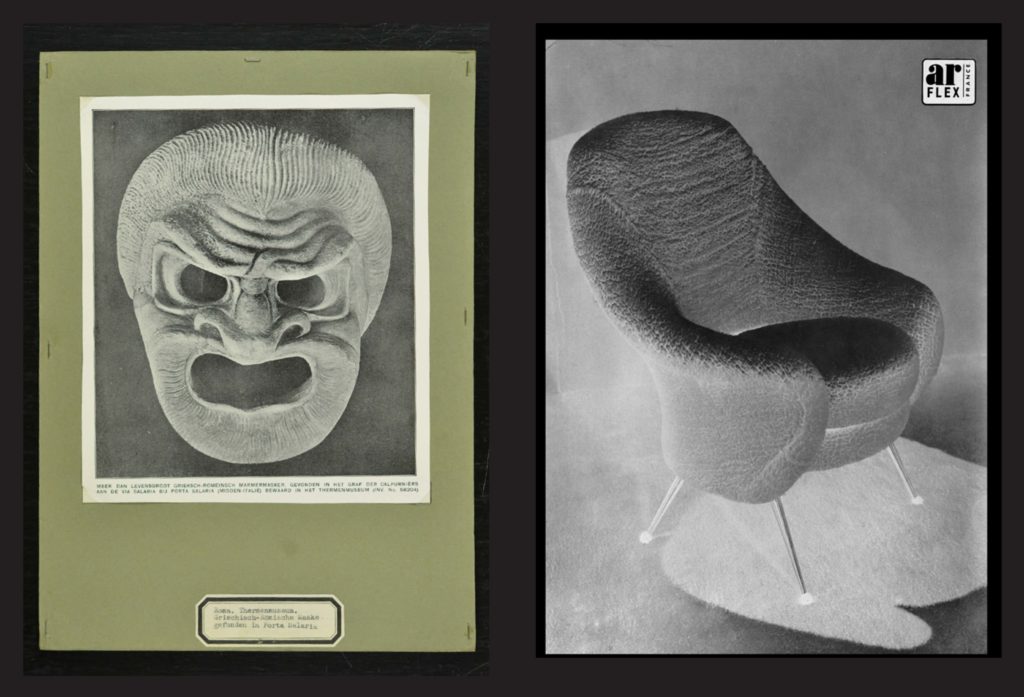
These compositions include reproductions from the Eranos Archive combined with materials drawn from Batia Suter’s own collection of images, particularly advertisements and printed matter related to industrially manufactured objects from the same period in which Fröbe-Kapteyn gathered her archetypal imagery. This collection of advertising prints comes from all over the world and has been assembled over many years by Batia Suter, a difficult process due to the fragility of these prints, which are often poorly preserved because they have no commercial value.
By juxtaposing these heterogeneous image sources, the exhibition evokes the contradictory forces of the interwar period; a time marked by rapid industrialization, the rise of fascism, and simultaneous quests for spirituality, nature, and renewal. Within this historical and visual tension, the archetypal figures of the Eranos Archive begin to shift: they are no longer fixed symbols of a universal unconscious, but unstable cultural constellations, shaped by economic, political, and technological transformations.