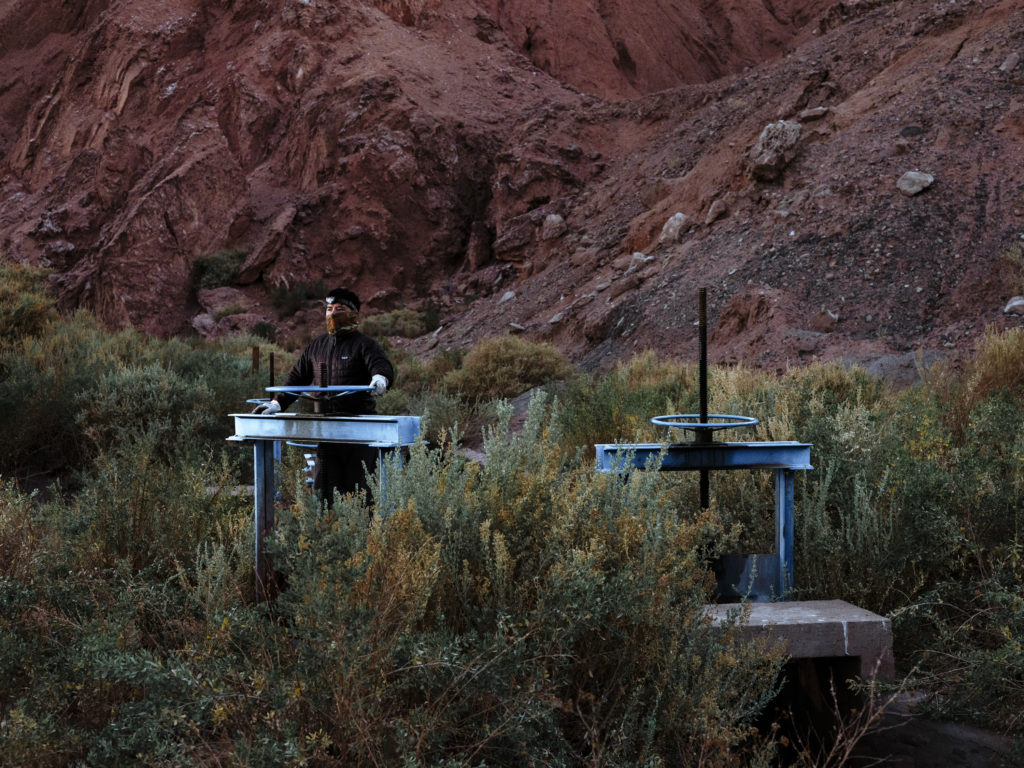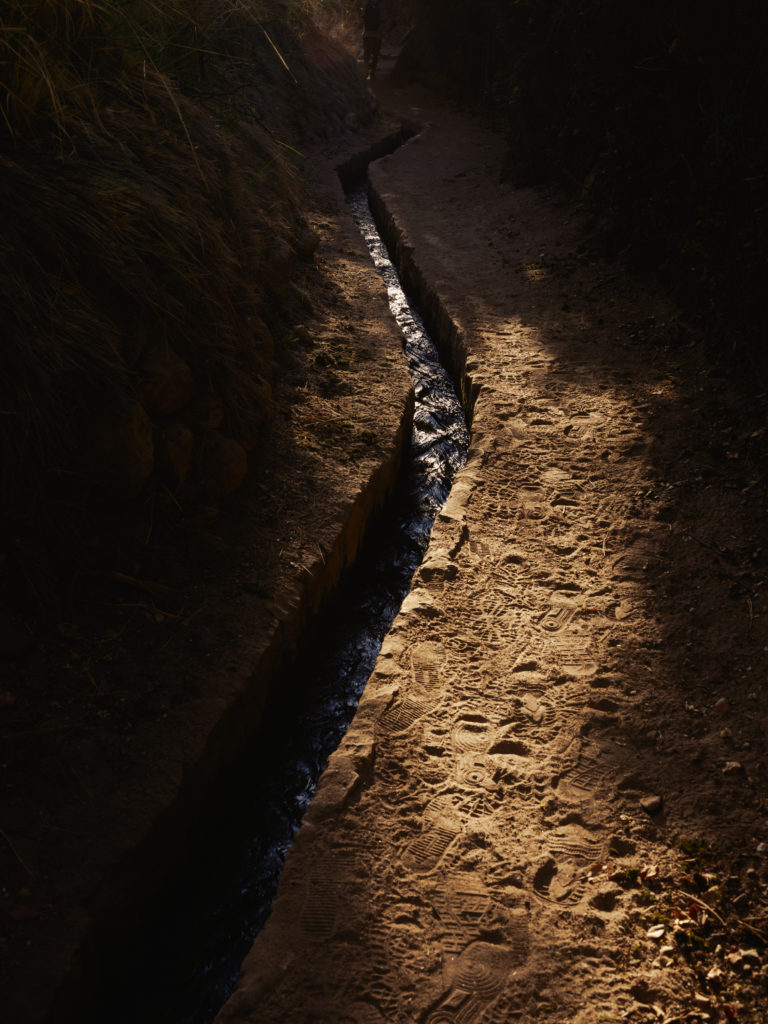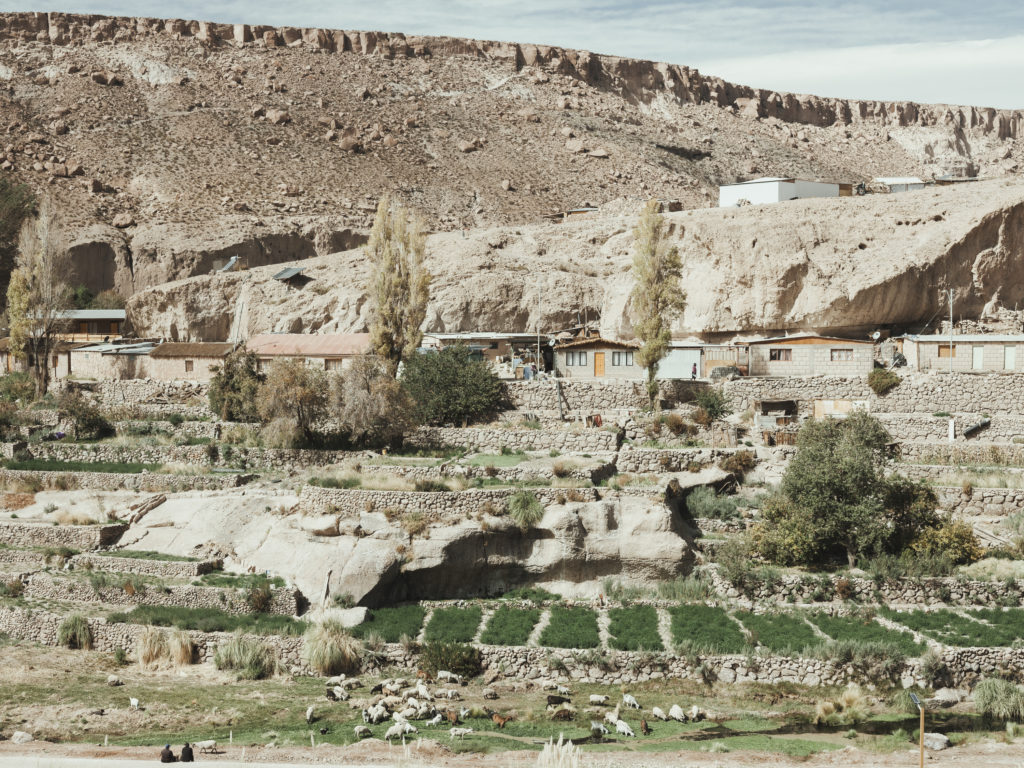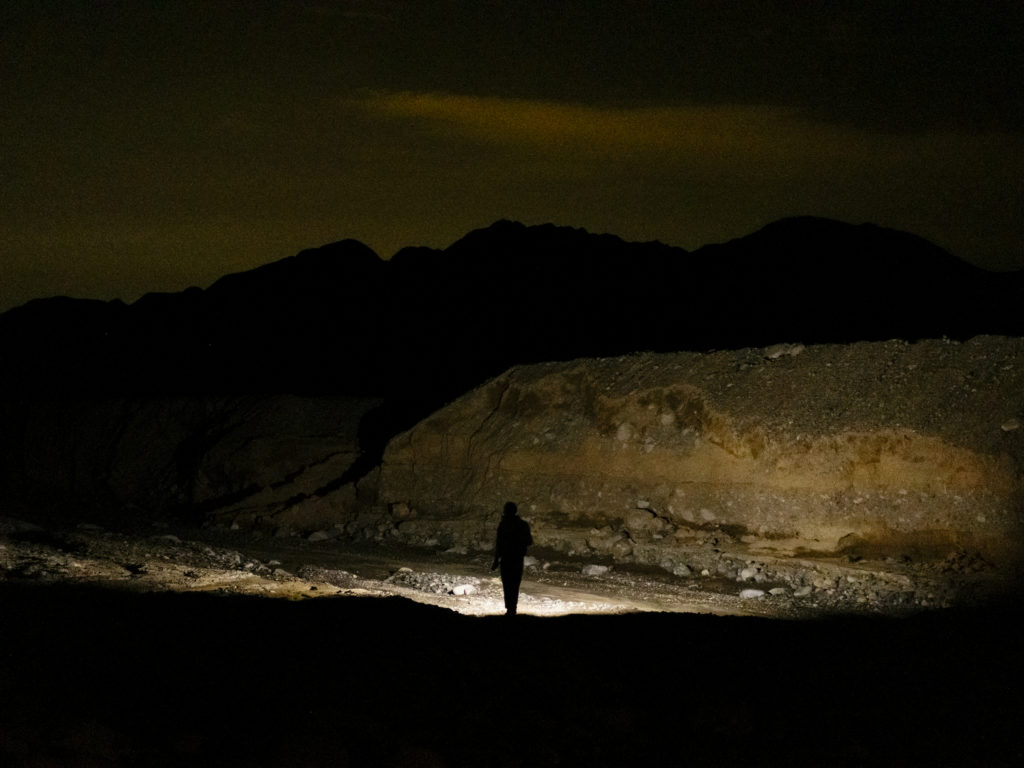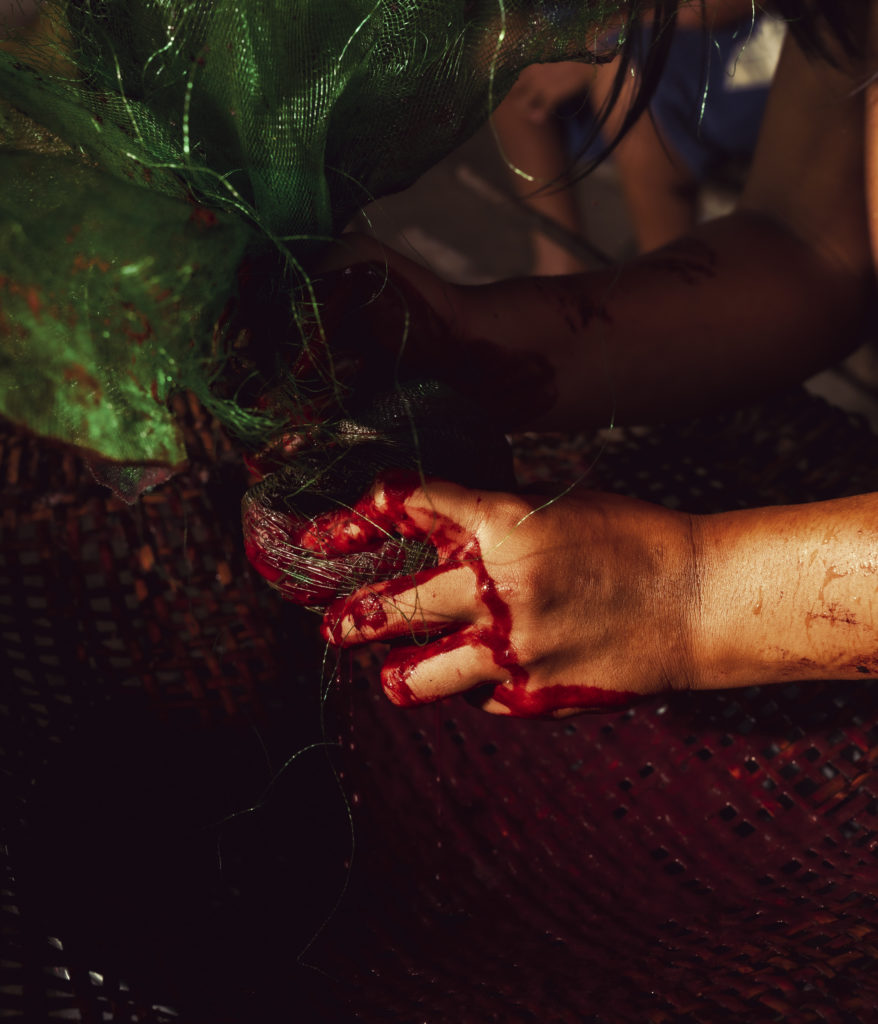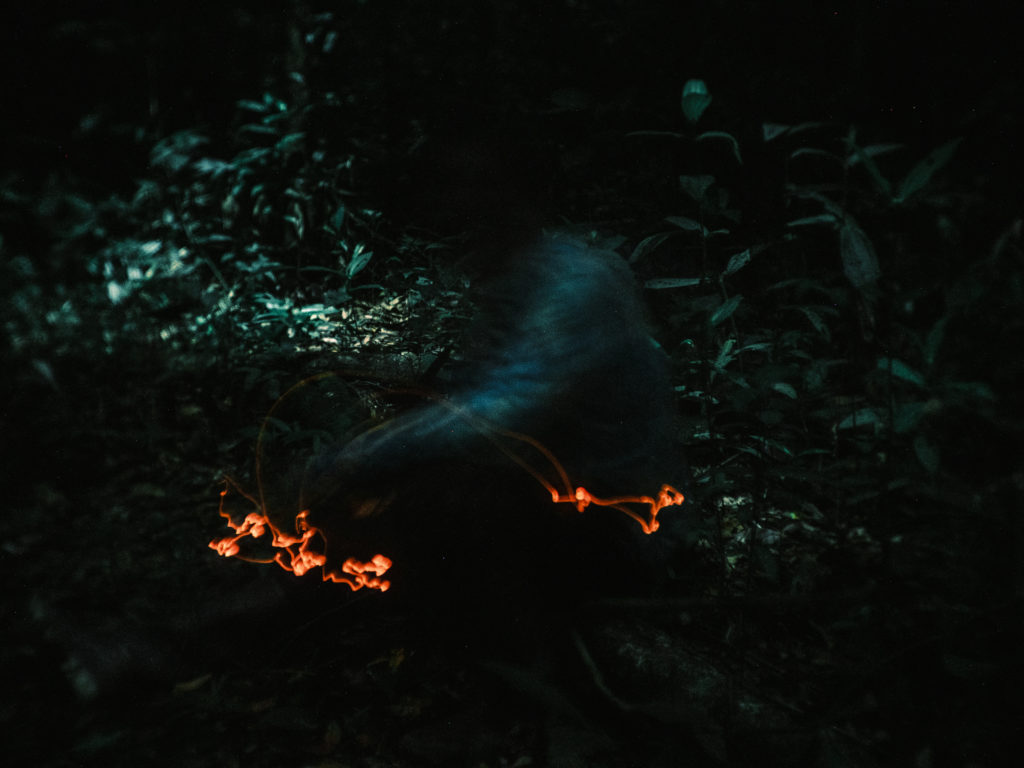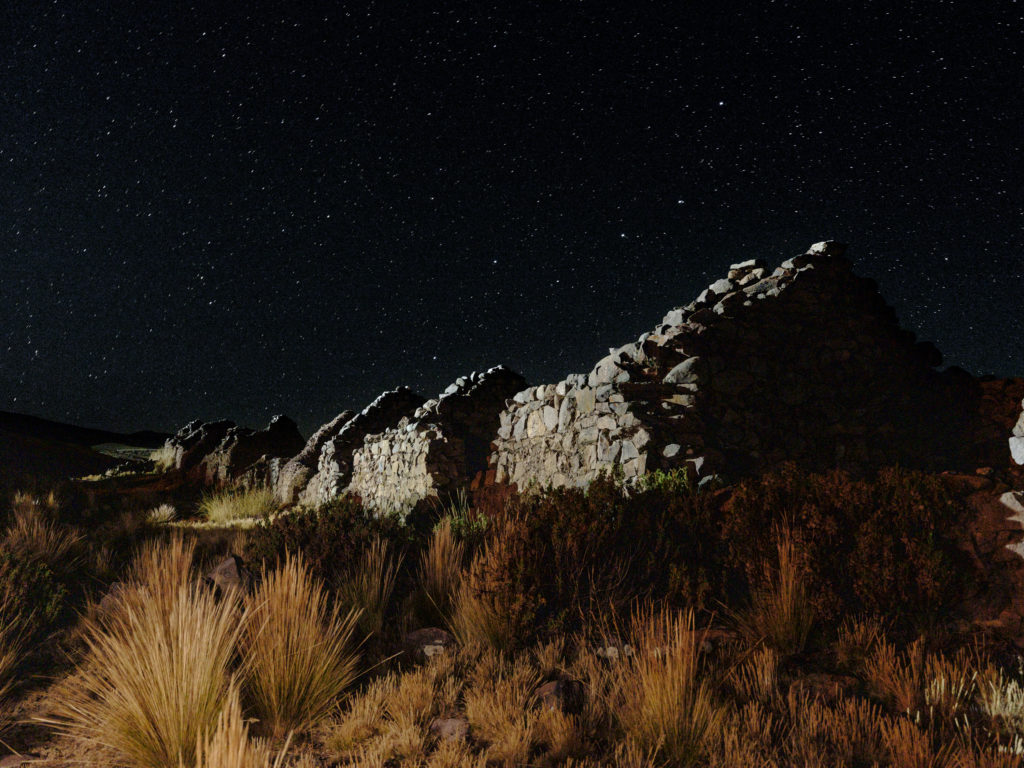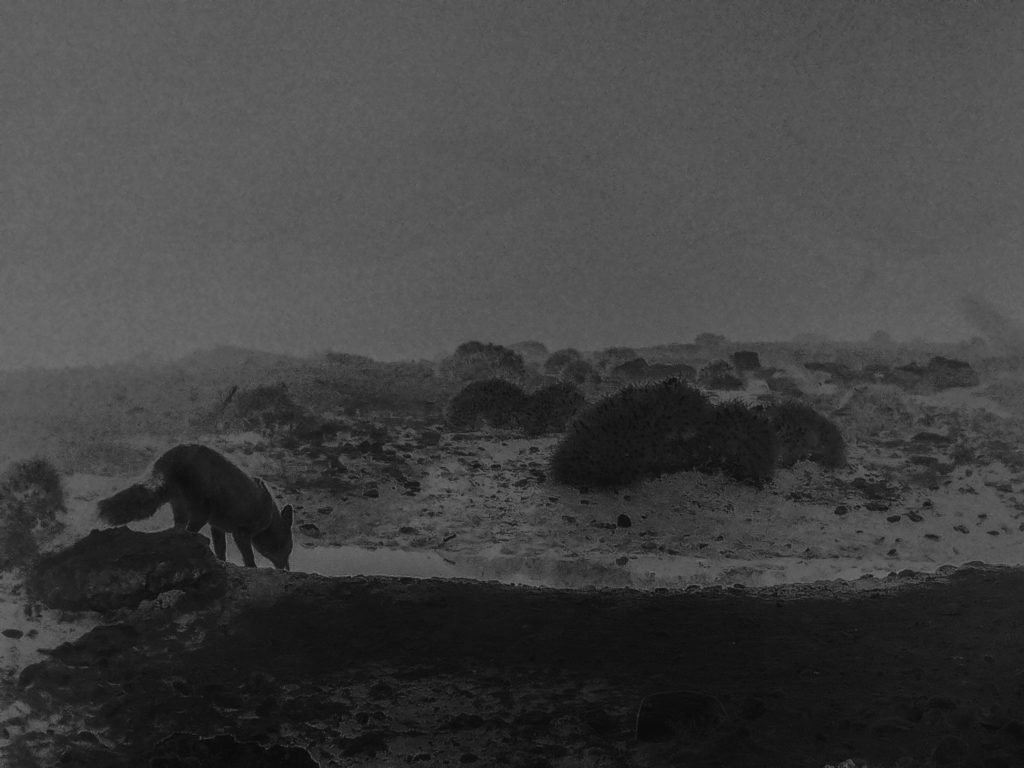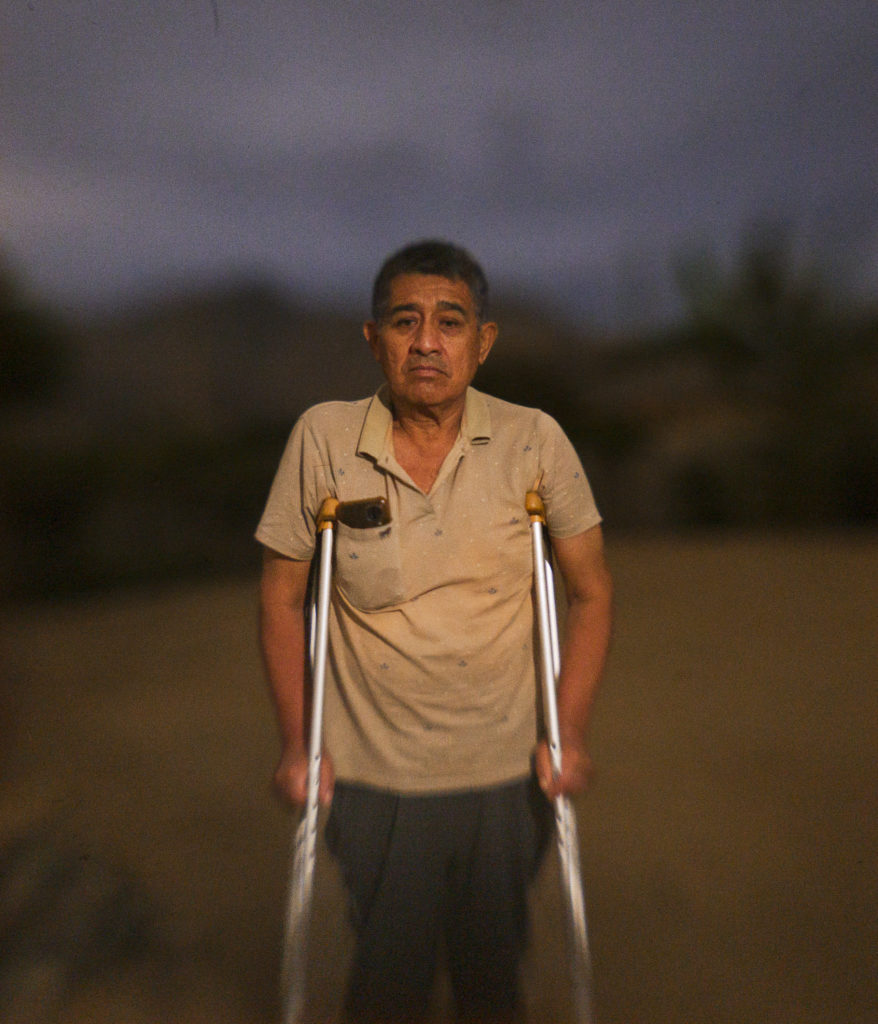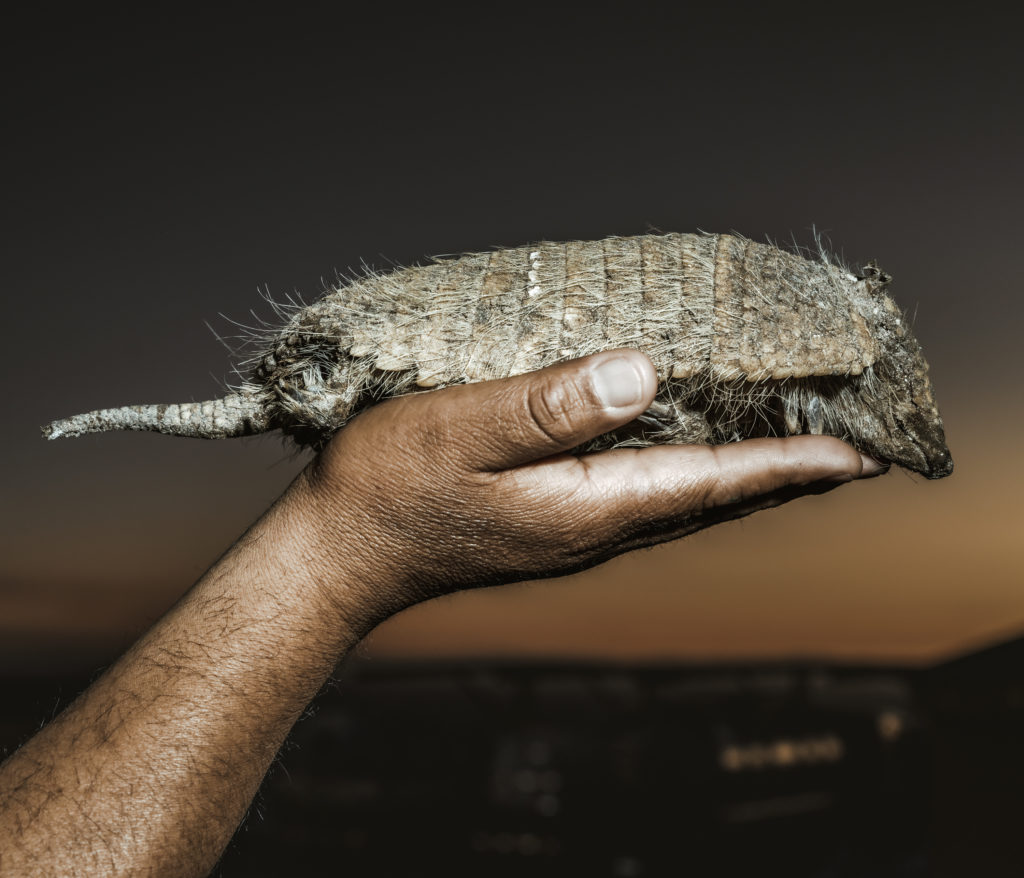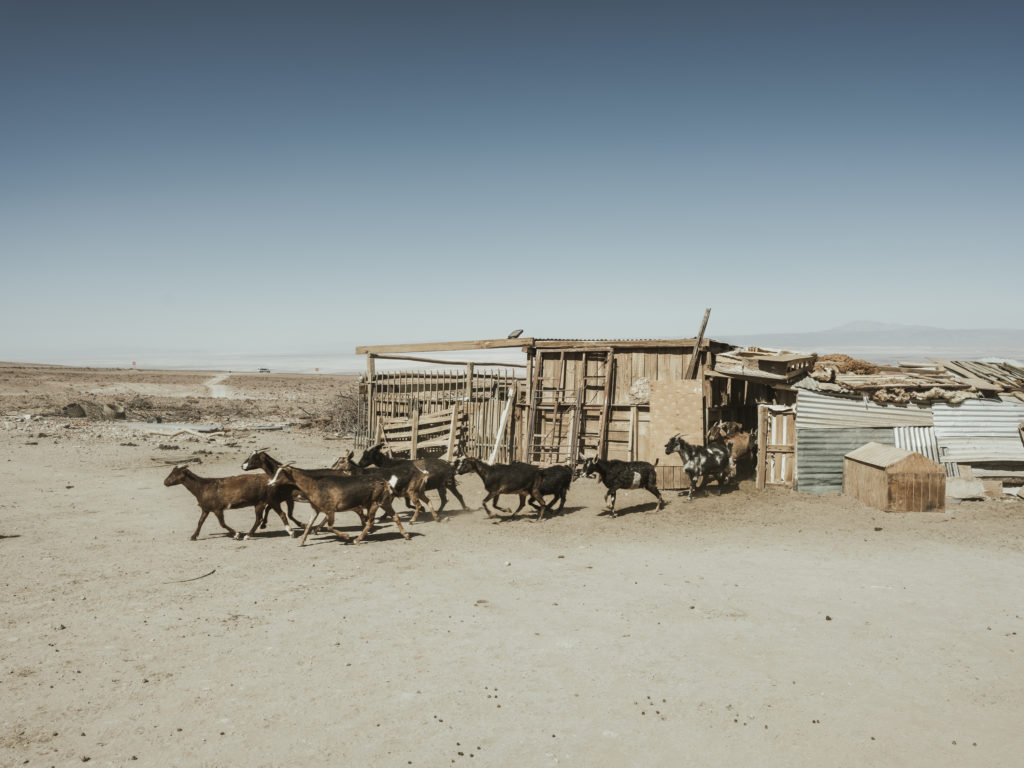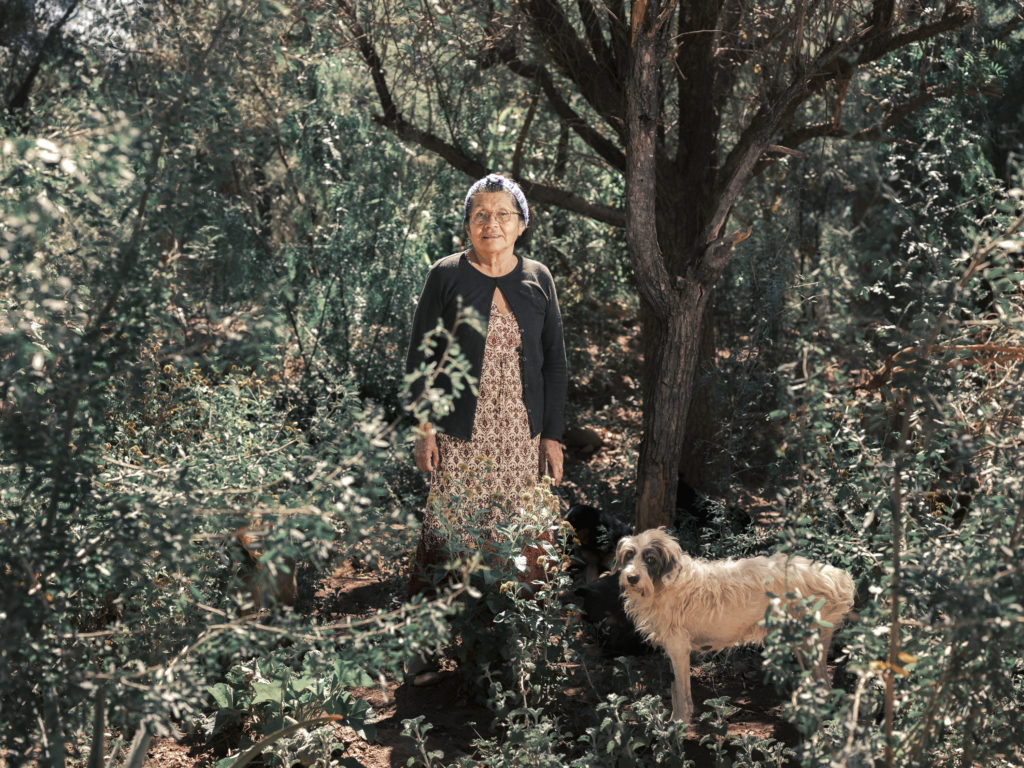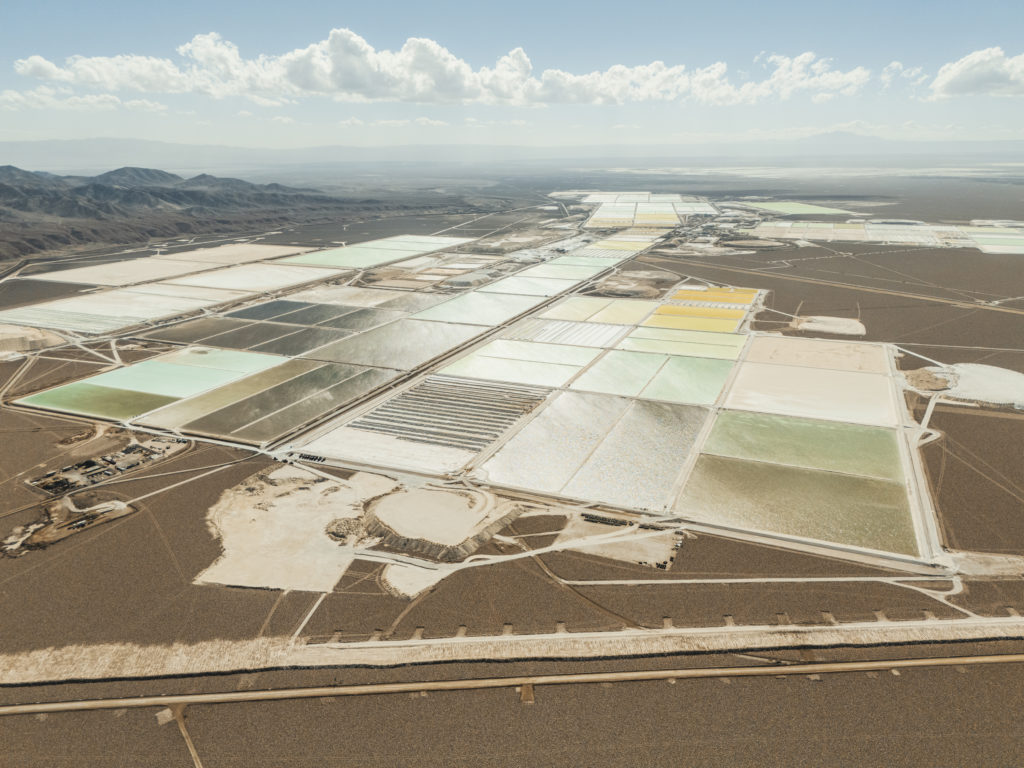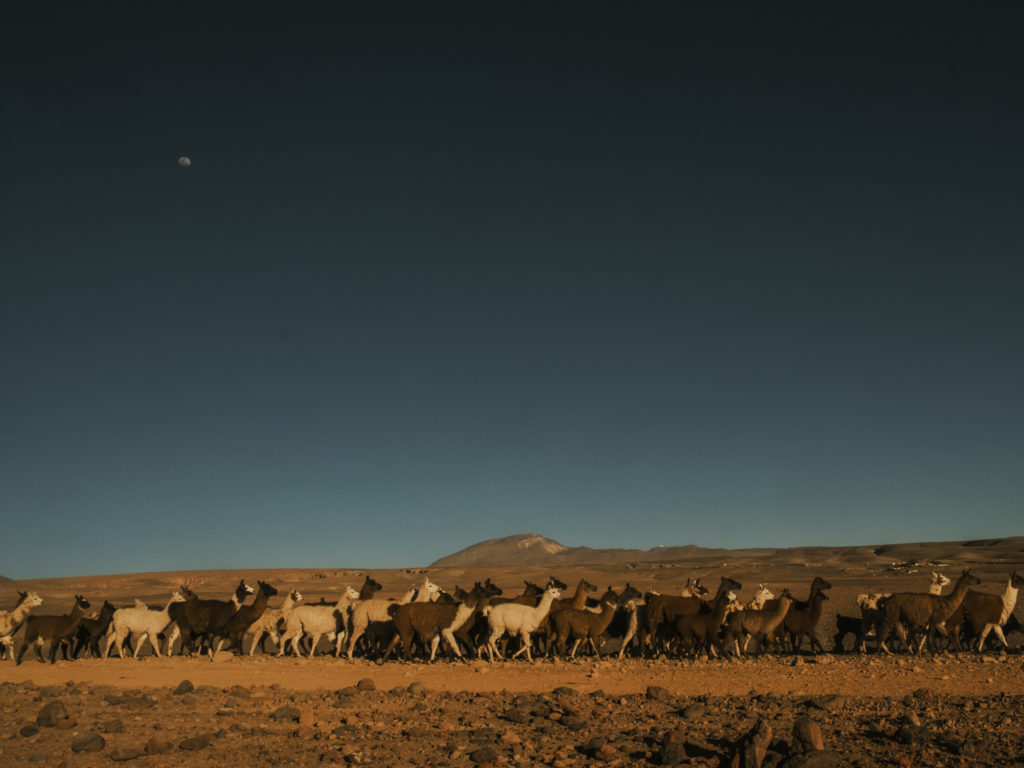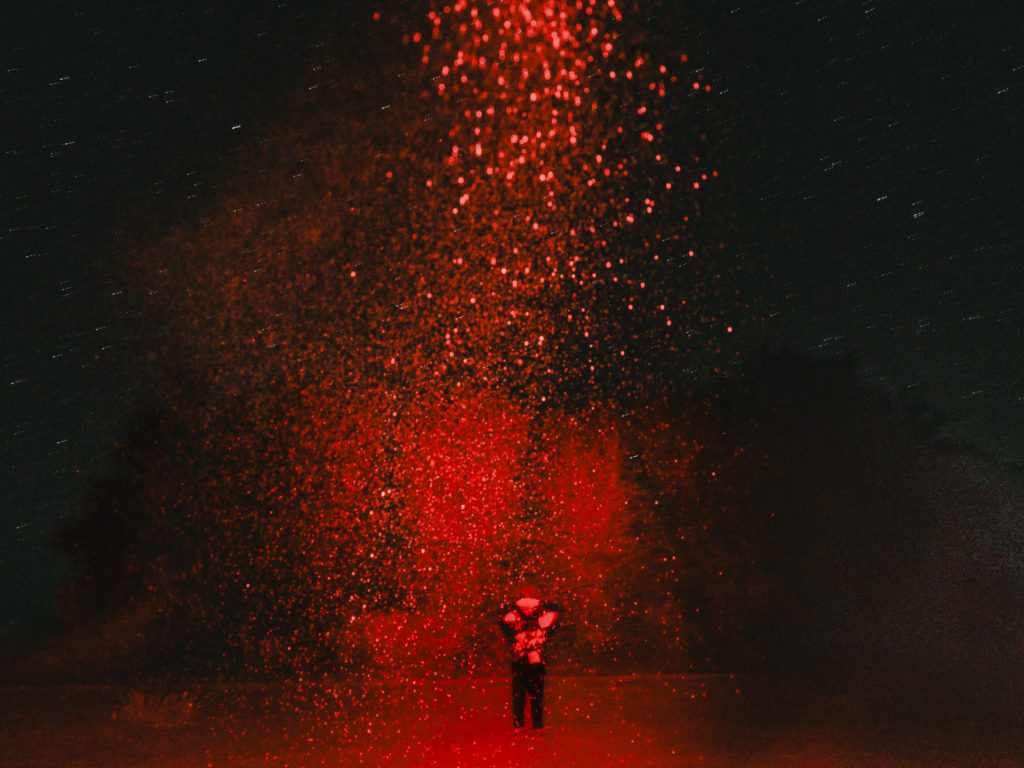
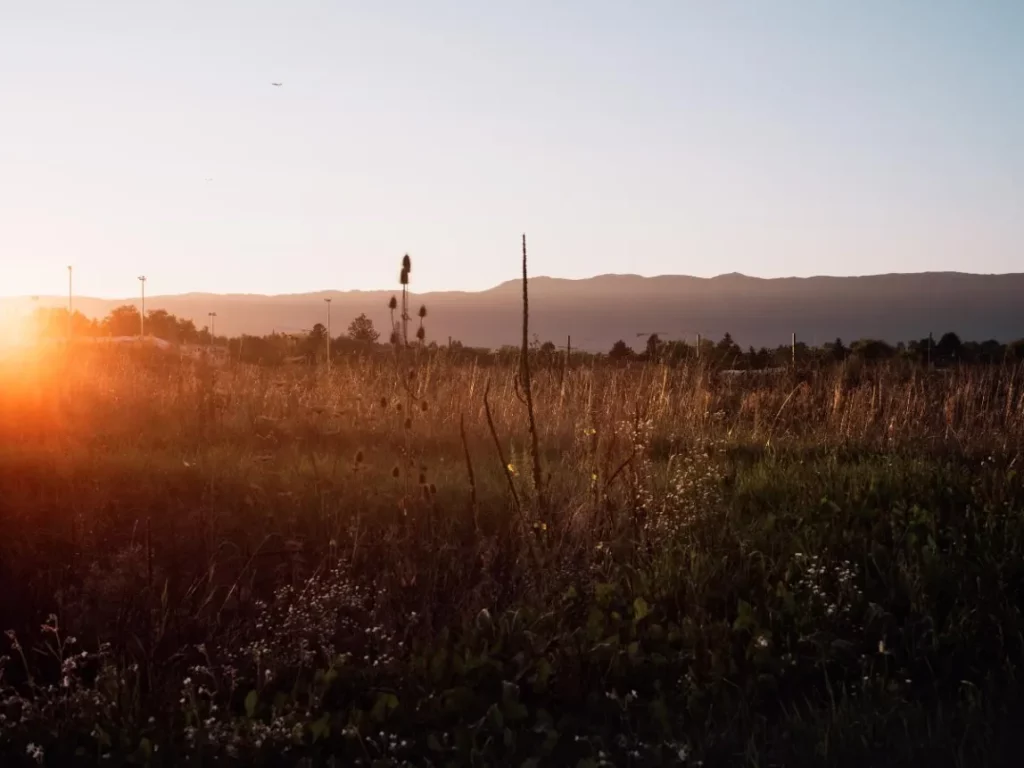
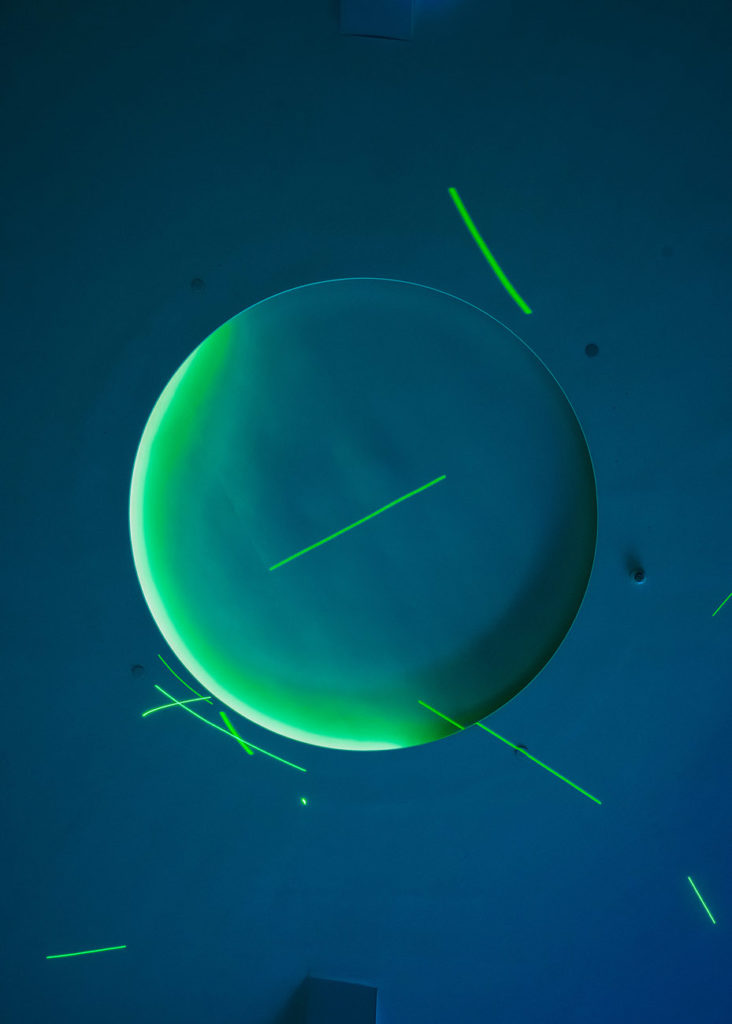
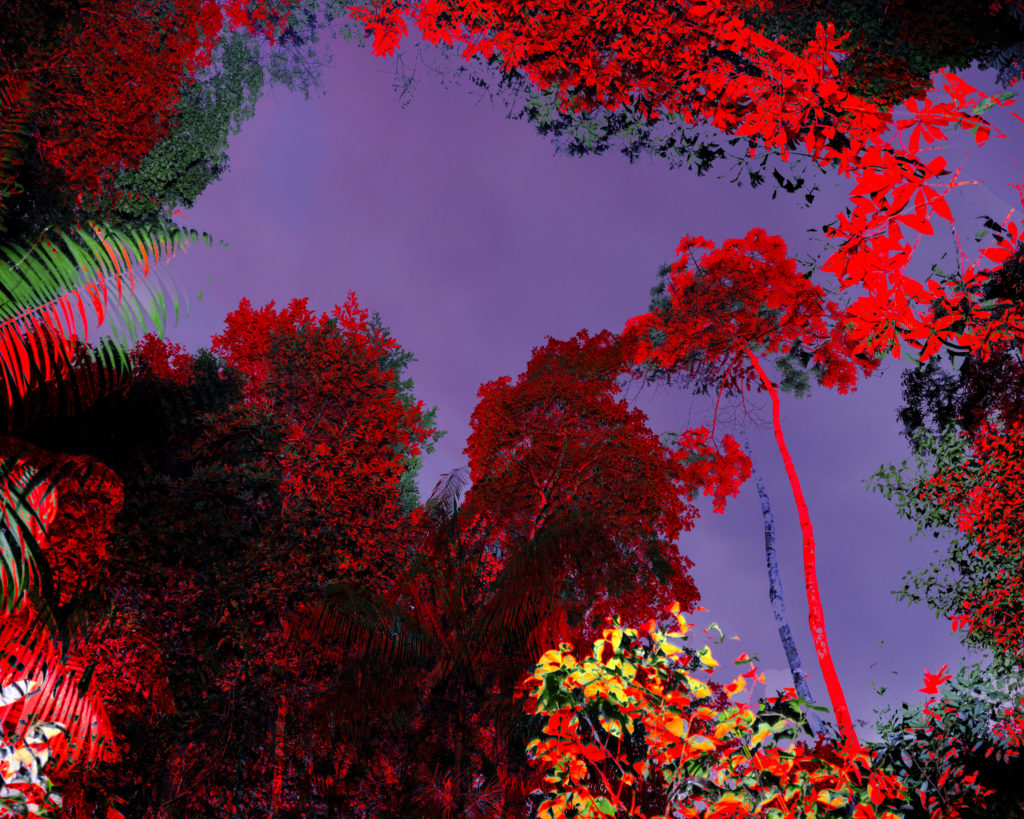
The Centre de la photographie Genève is delighted to present the first exhibition of the major project Voices of Water by Colombian photographer and anthropologist Jorge Panchoaga, which examines the interplay of land and water in extreme ecosystems of Latin America, and the fragile balance of that local communities are constantly finding to live within them.
One of the earliest relationships on this planet is that between land and water. The land seeks to grow, to rise upward, emerging through volcanoes or colliding tectonic plates until folding upon itself; mountain ranges grow and the course of rivers and seas changes, carving out new shores. Water, in turn, seeks to erode the land, washing rock down to the seabed and shaping the landscape. Life emerged later—as a guest, learning to survive within the balance of that ancient relationship. Extreme ecosystems are a window into the past and future of the changes taking place on Earth. Voices of Water gathers stories and reflections on human life within these ecosystems, as a way to understand our imagination, adaptability, and creativity in responding to the continent’s most complex environments across the Americas. The work invites us to restore and acknowledge our deep, intimate, and emotional connection with water, stepping away from utilitarian notions such as resources, access, or availability. Through images and stories originating from deserts, floodplains, cities, and large-scale infrastructure projects across countries like Chile, Peru, Colombia, and Mexico, Voices of Water offers a timely and necessary reflection for these times of extremes.
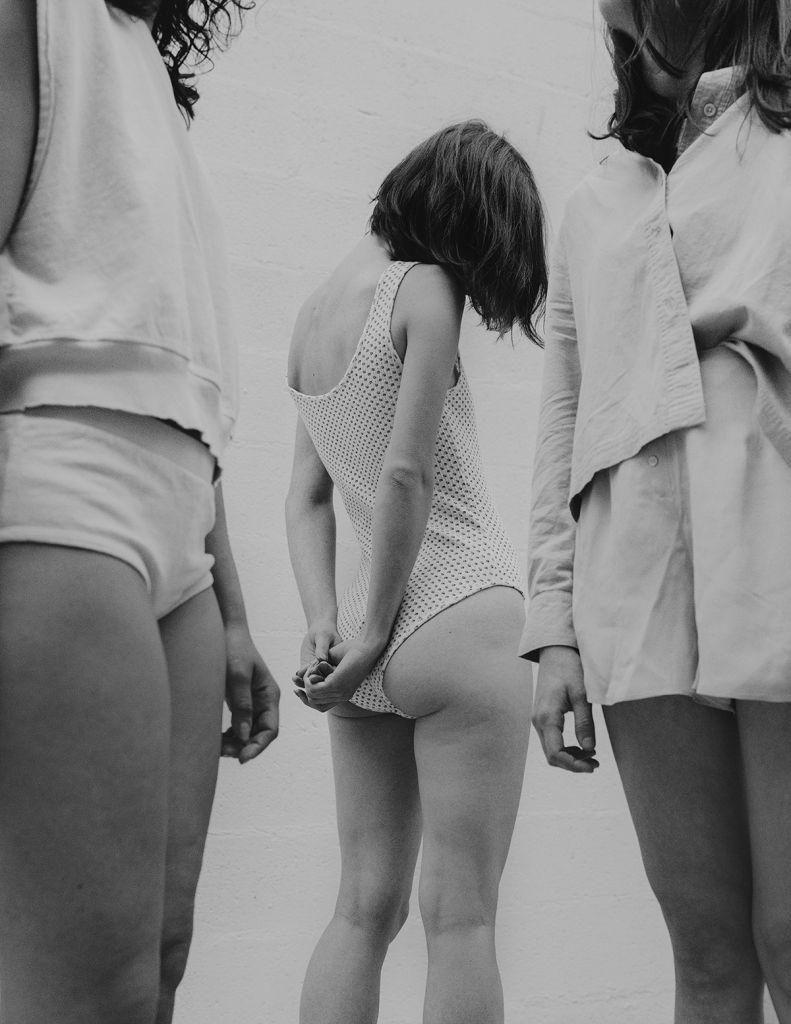
Jorge Panchoaga describes his work as a constant research into ways to perceive and engage with the world around me, suspended between his family’s Indigenous heritage and city life: ‘The spiritual, the imaginary, and my urban upbringing have led me to explore ways of fusing within the image all that constitutes this permanent tension and contradiction—where imagination becomes a cornerstone for making sense of reality, desire, future, past, and our relationships with others and nature.’