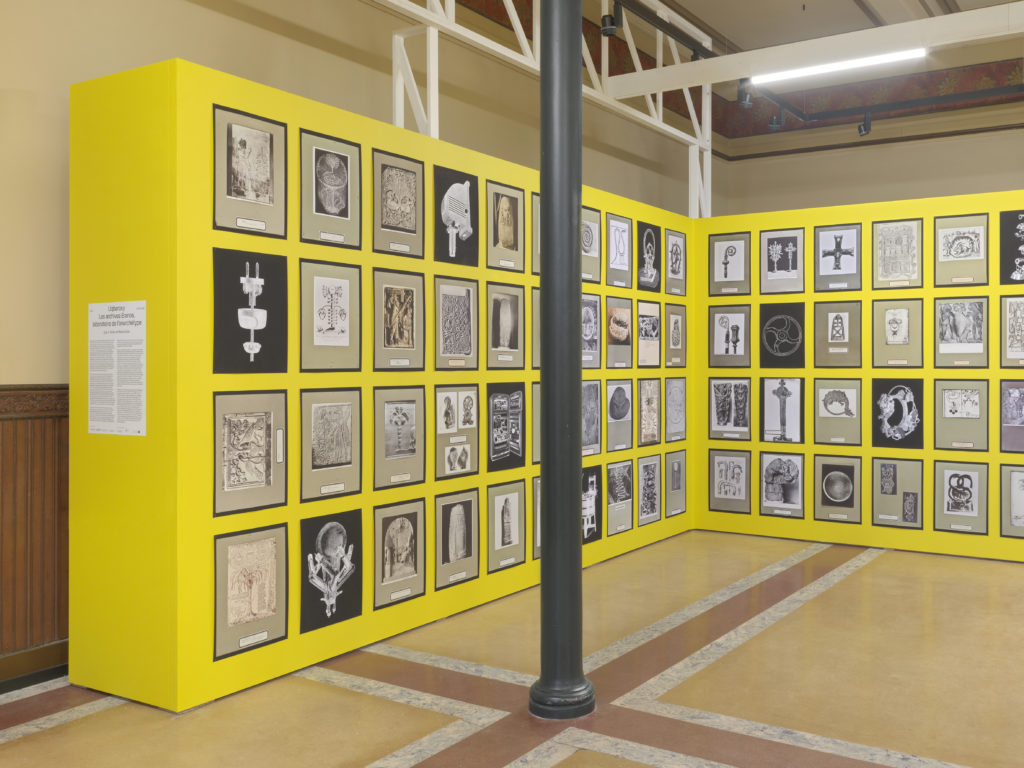
Uqbaroxy is a collaborative project by the researcher in visual cultures Zoe A. Keller and the visual artist Batia Suter. It takes as its starting point the Eranos Archive, which consists of approximately 3,000 archetypal images, now housed at the Warburg Institute in London. The images were collected between the 1920s and 1950s by the Dutch spiritualist and theosophist Olga Fröbe-Kapteyn (1881–1962) in Ascona, where she lived near the Monte Verità community in Ticino. Fröbe-Kapteyn assembled the archive to support research into archetypes and the collective unconscious, most notably that of the Swiss psychiatrist Carl Gustav Jung. Fröbe-Kapteyn understood these images as visual traces of deep symbolic and religious memories recurring across cultures and historical periods.
In their first collaborative project, presented as a critical essay and a photographic installation, Keller and Suter question, reactivate and ultimately resignifiy this intricate archive. While the Eranos Archive remains deeply fascinating, it is also infused with the violent ideologies of universalism and even at times, as we see now, totalitarian thinking. The project engages with the tensions that arise when historical image collections are reinterpreted in the light of contemporary visual and theoretical practices. Keller and Suter approach the Eranos Archive as a space for reflection today and as a laboratory for the ‘anarchetype’, a neologism that they forged by combining the concepts of anarchy and archetype.
Keller’s essay retraces the history of the Eranos Archive, its internal contradictions, the ideological frameworks and the zeitgeist that shaped it. Rather than dismissing this archive as a misguided or problematic experiment, she draws on the writings of the philosophers Frantz Fanon, Jean-Luc Nancy and Édouard Glissant to propose the concept of the anarchetype, shifting attention away from fixed classification and stable significations towards uncertain, relational constellations between images.
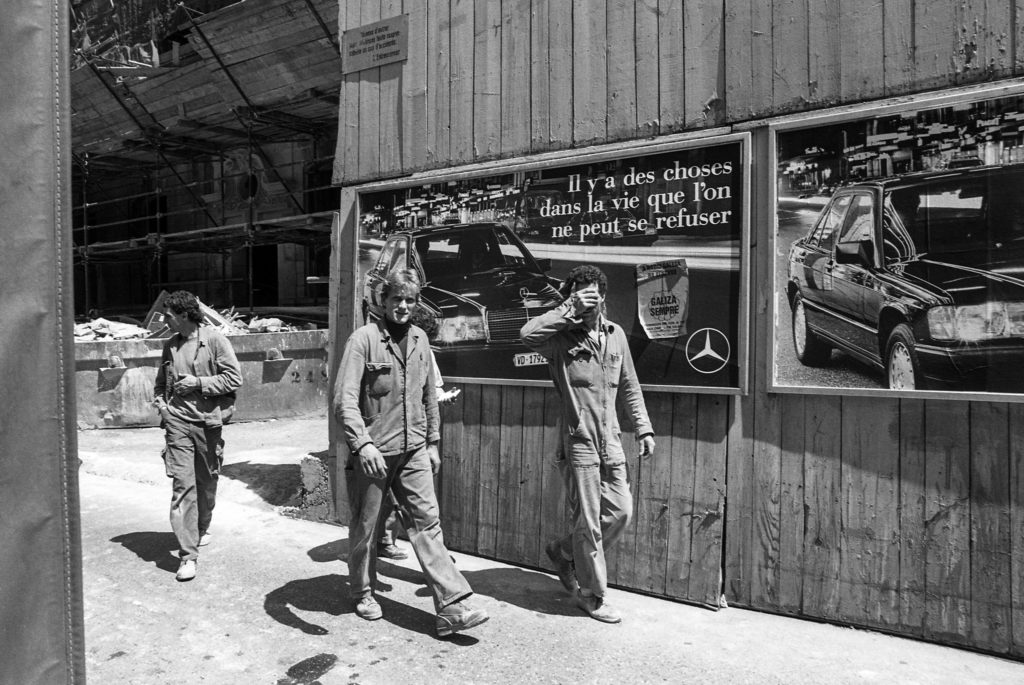
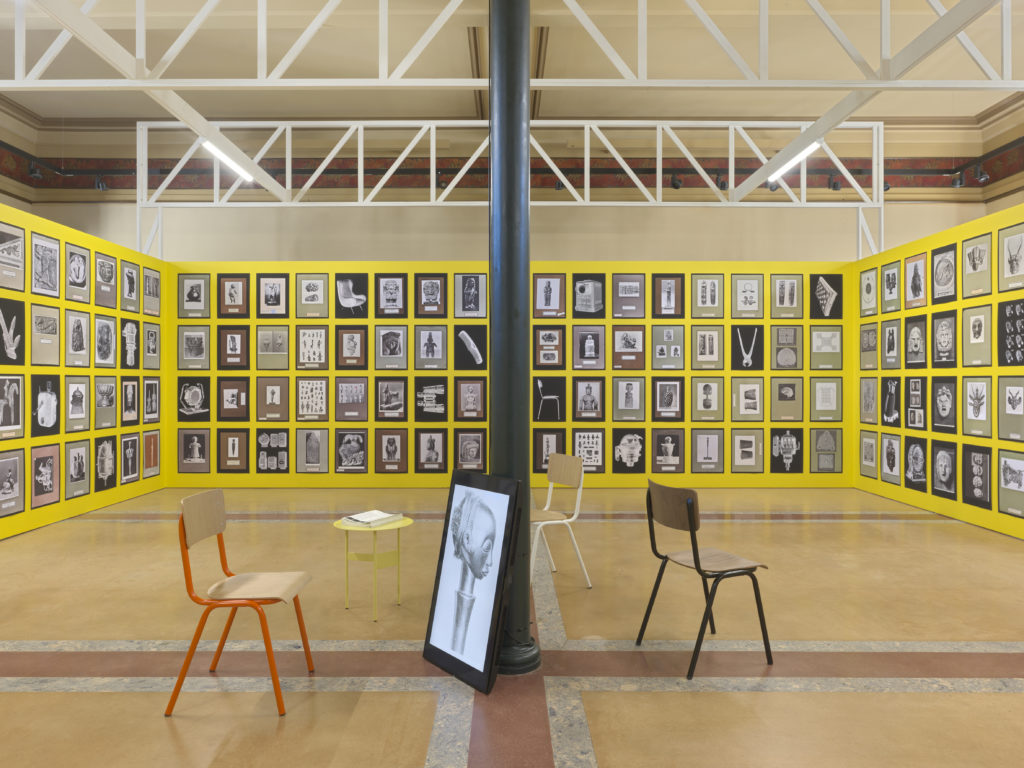
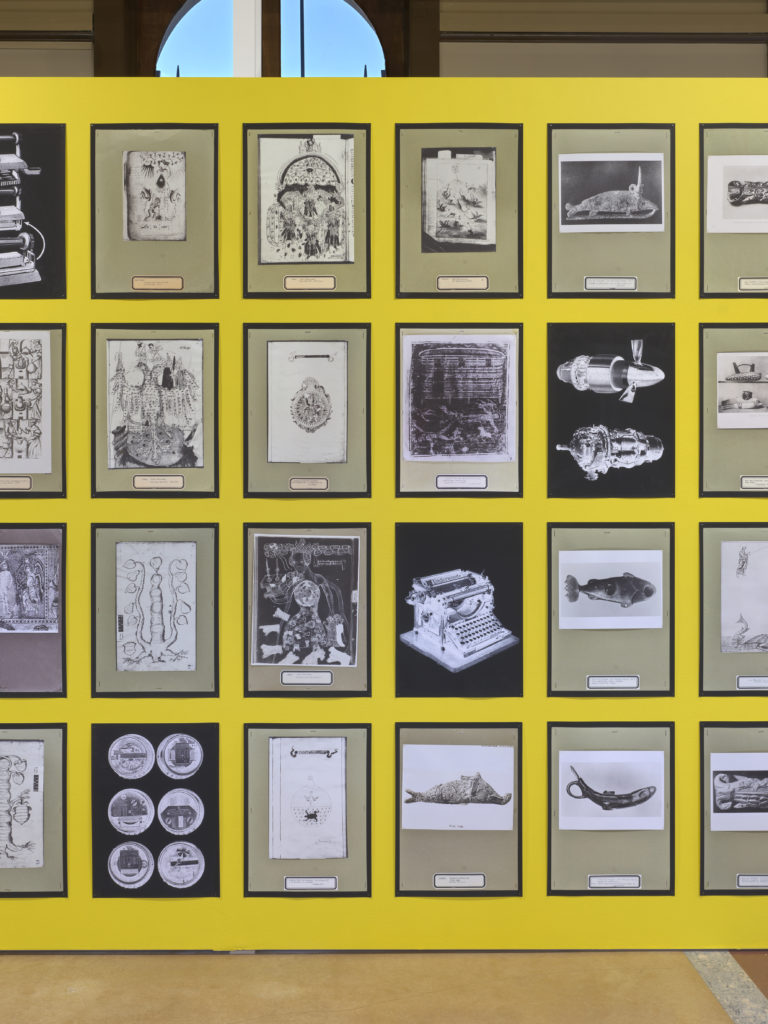
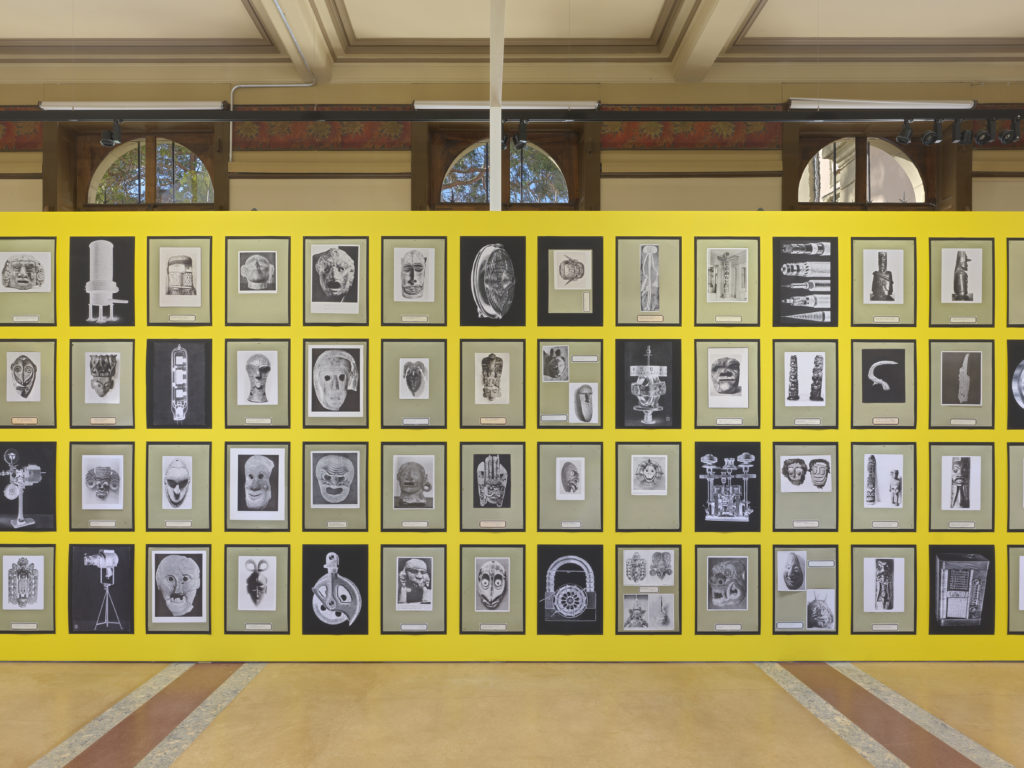
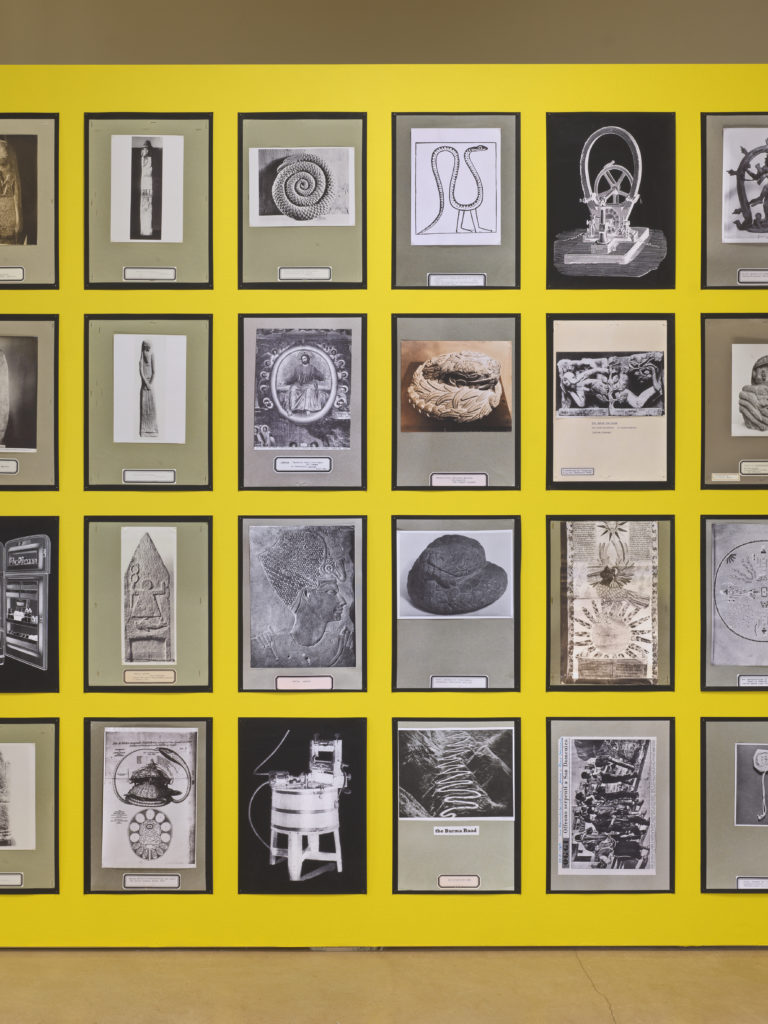
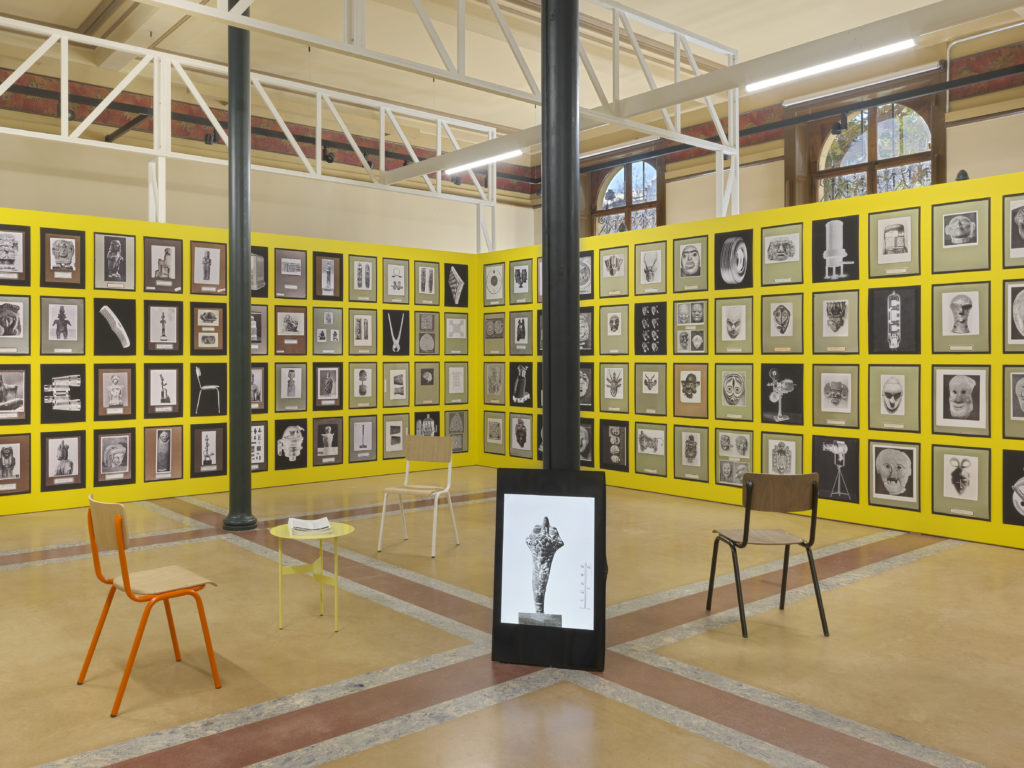
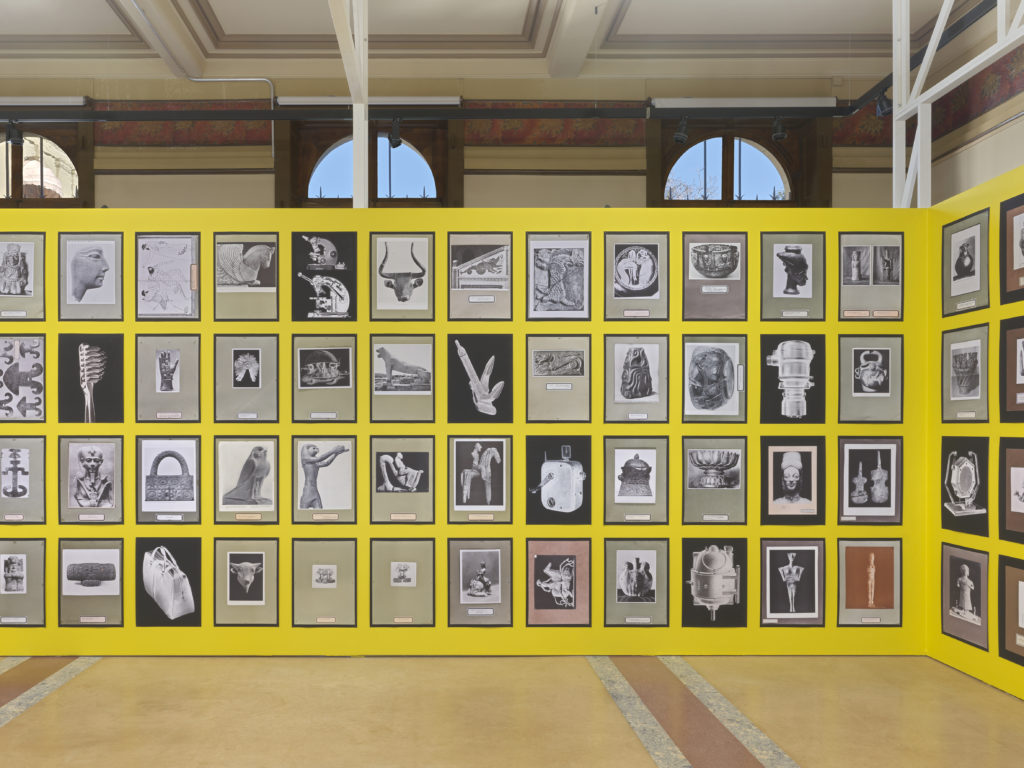
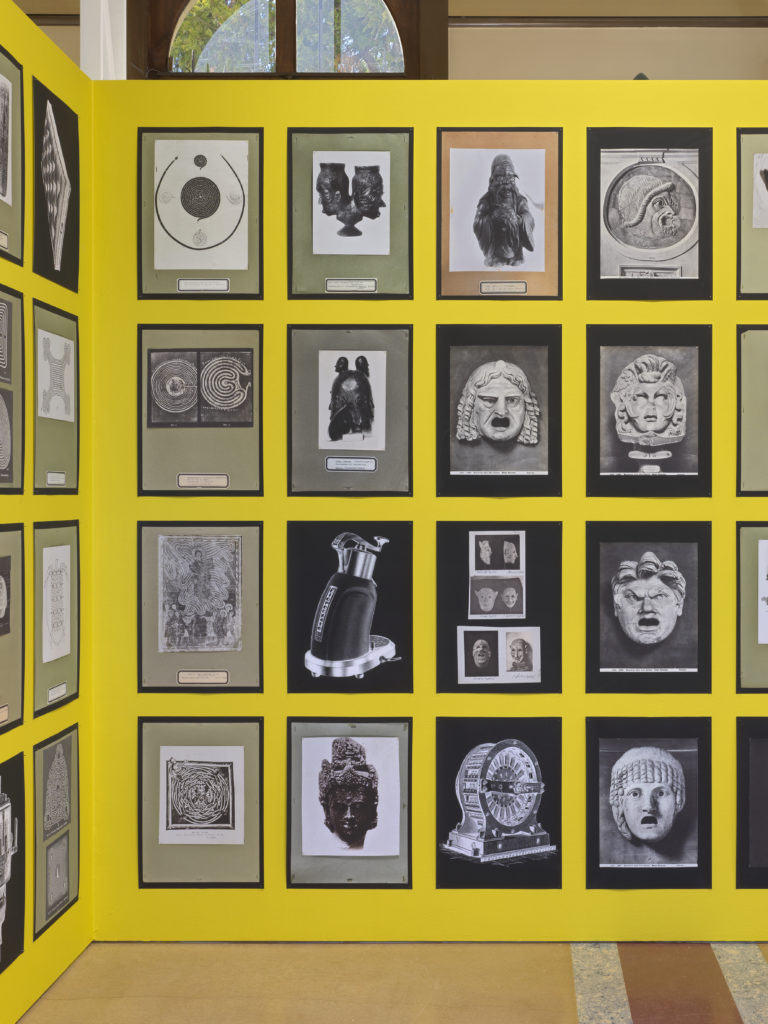
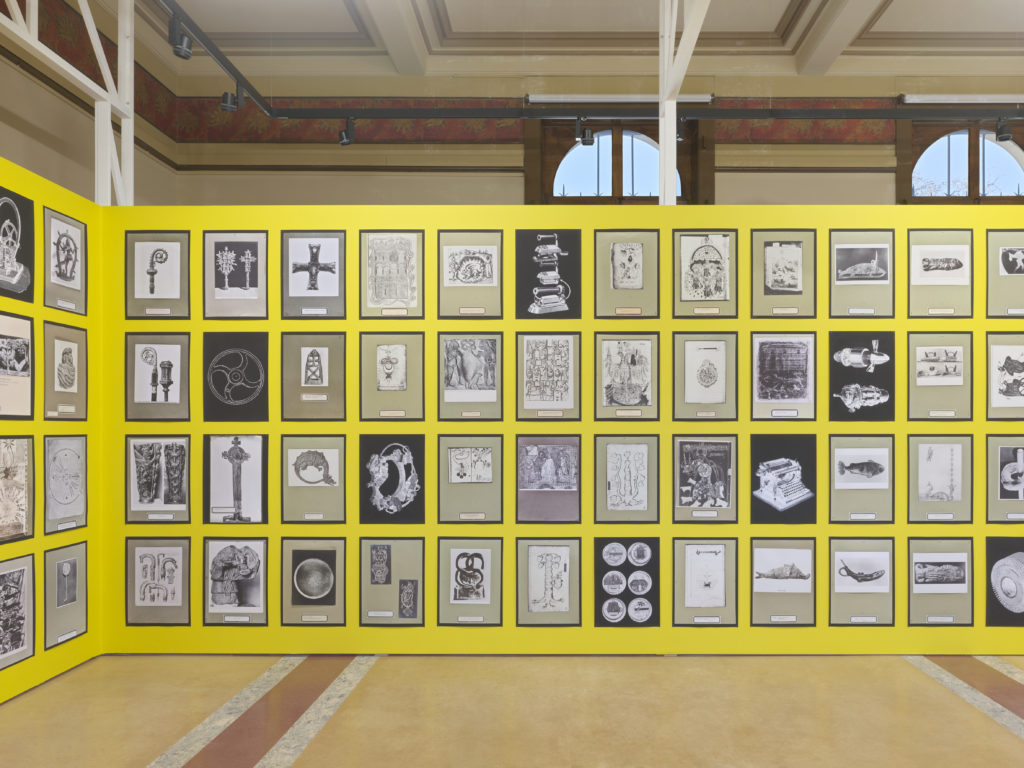
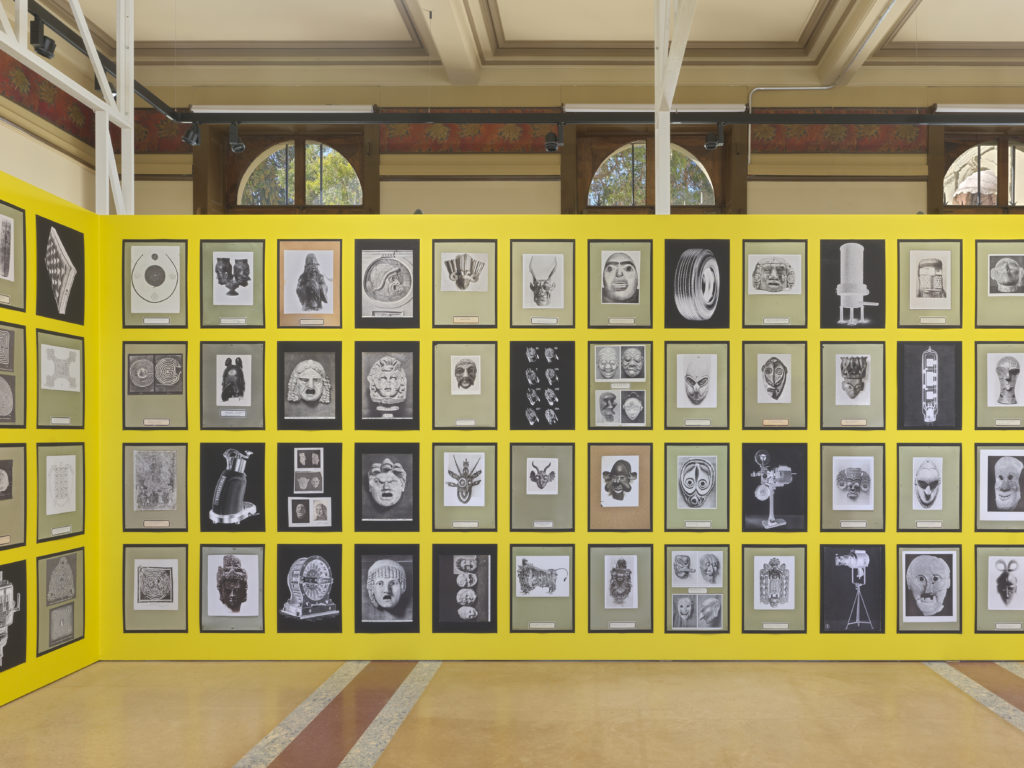
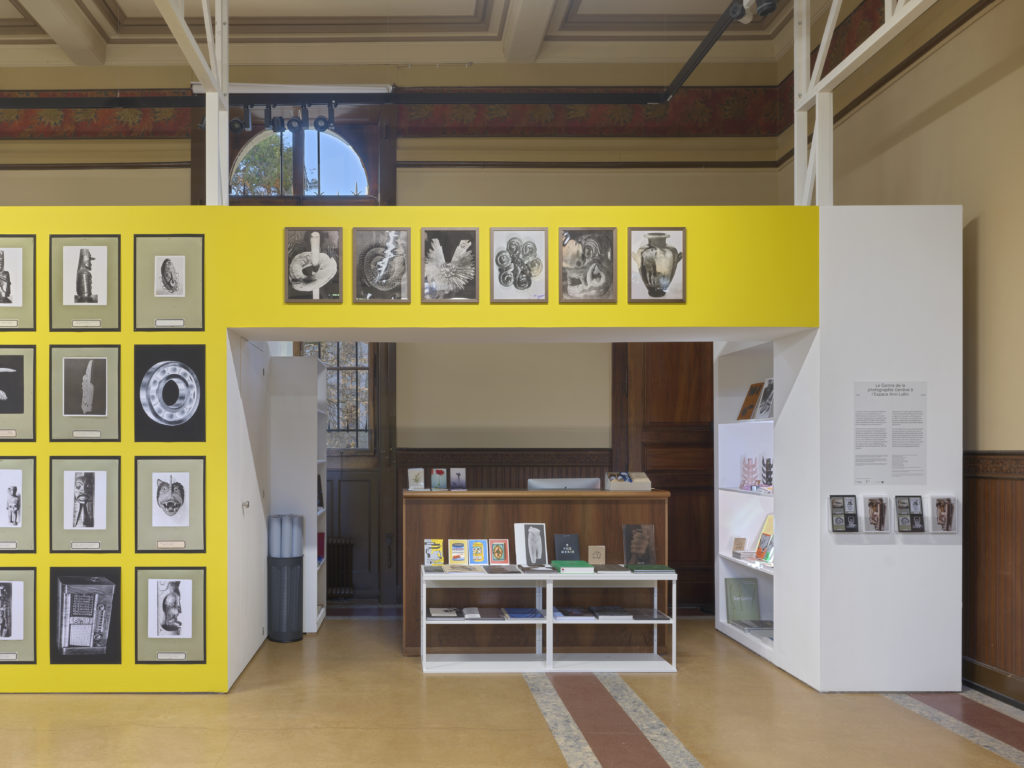
In Suter’s installation, the Eranos images are juxtaposed with photographs from the same period, drawn from scientific and commercial publications and depicting industrial objects that have surrounded the emergence of the archive during the years. The archive also reflects the conditions and appearance of early twentieth-century analogue image culture, when images were difficult to access and circulate. The laborious processes of collecting, reproducing, and classifying heterogeneous material resulted in a visually uneven archive, standing in striking contrast to the ease of image circulation today. In the installation, the heterogeneous visual encounters crafted by Suter evoke the contradictions of the interwar years: rapid industrialisation, a simultaneous search for spirituality, nature and renewal, and the rise of fascism.
Uqbaroxy, the title of the project, is another neologism. It merges Uqbar, the fictional country imagined by a secret society in the short story Tlön, Uqbar, Orbis Tertius by Jorge Luis Borges, and part of the word oxymoron, signalling the juxtaposition of opposite concepts. Strange yet familiar, this title alludes to the project symbolically opening up a new fictional space encompassing the tensions and contradictions of the Eranos Archive and its resignifications. Within this conceptual and visual field of Uqbaroxy, the archetypal figures of Eranos no longer embody a universal unconscious but appear as unstable and even vulnerable cultural constellations, shaped by an era of deep economic, political and technological transformations and upheavals.
The essay by Zoe A. Keller can be downloaded in English (original) or in French (translation).