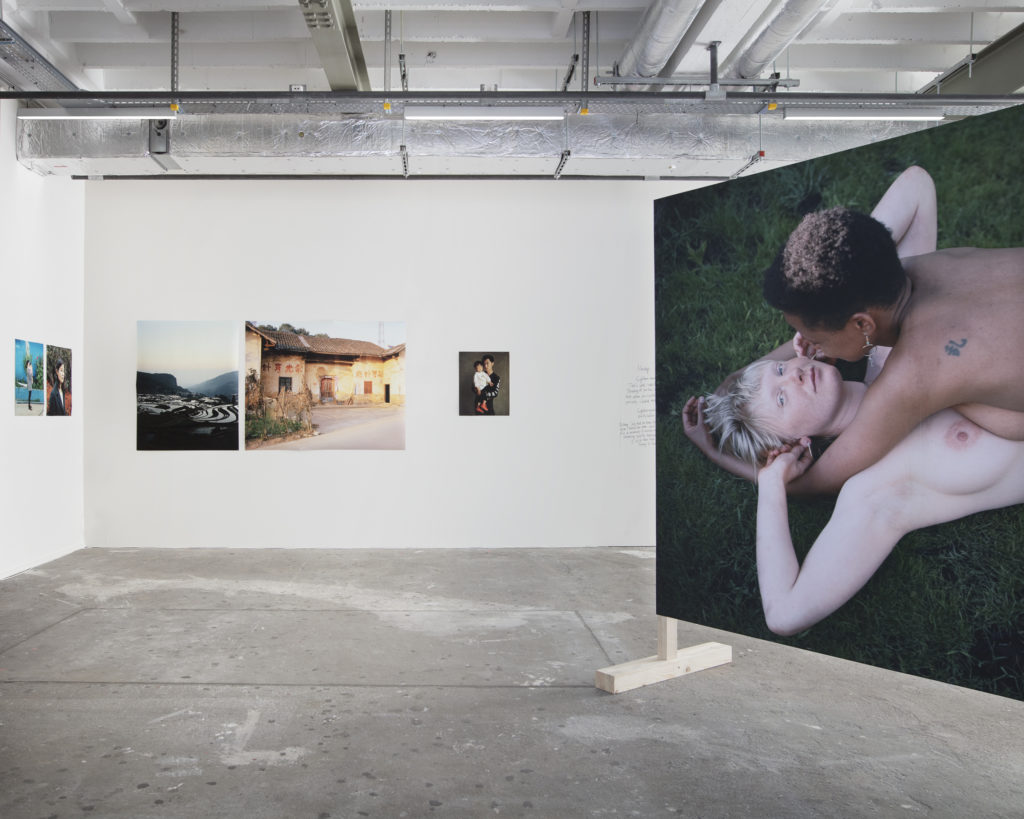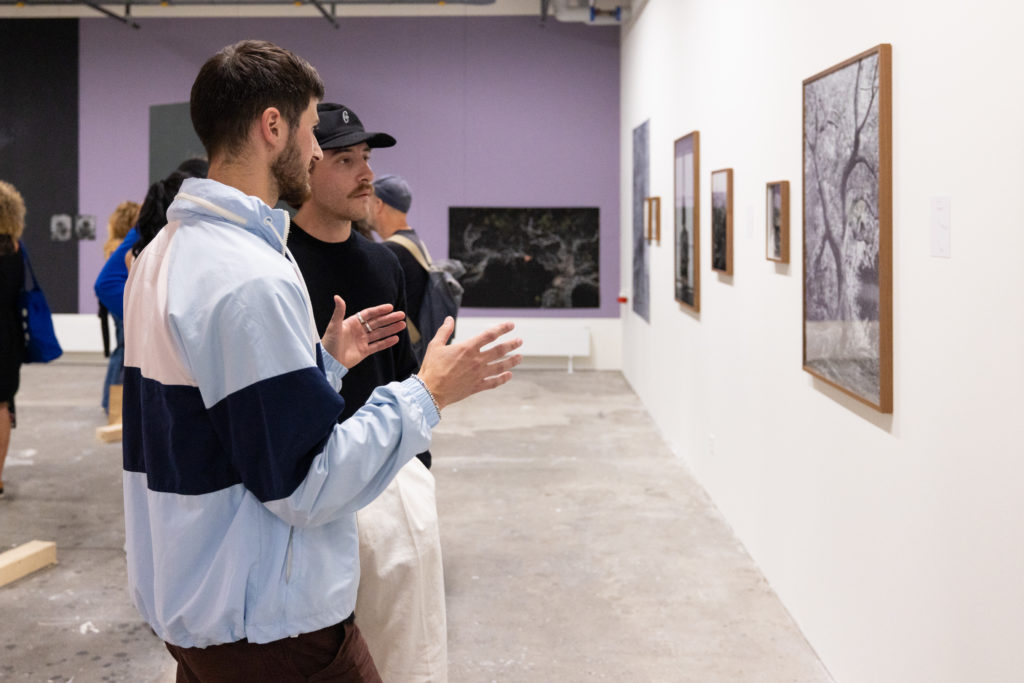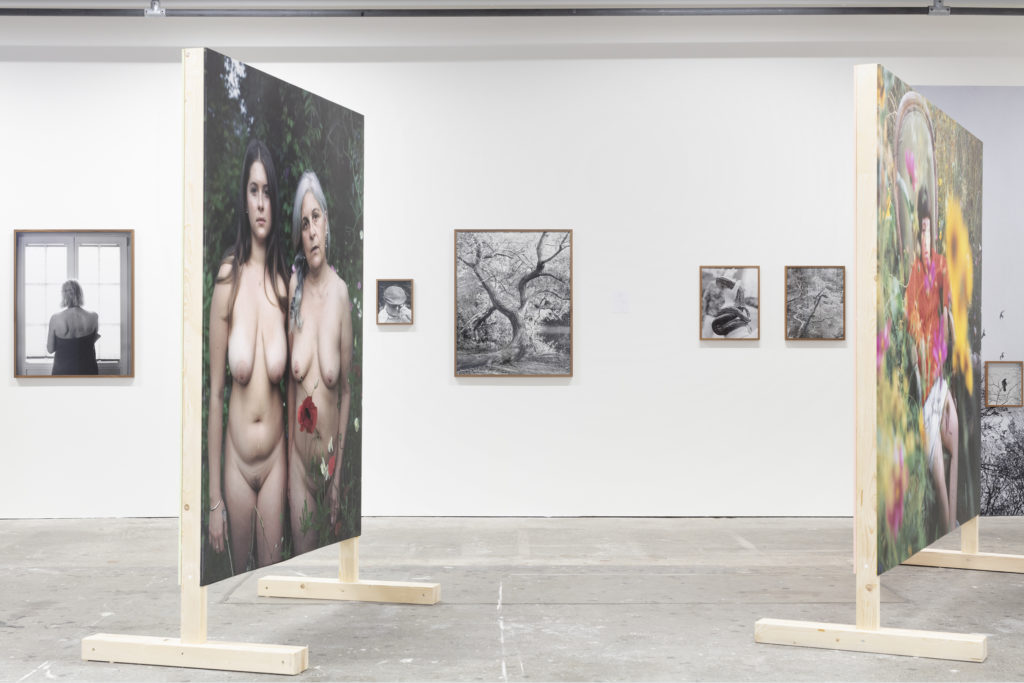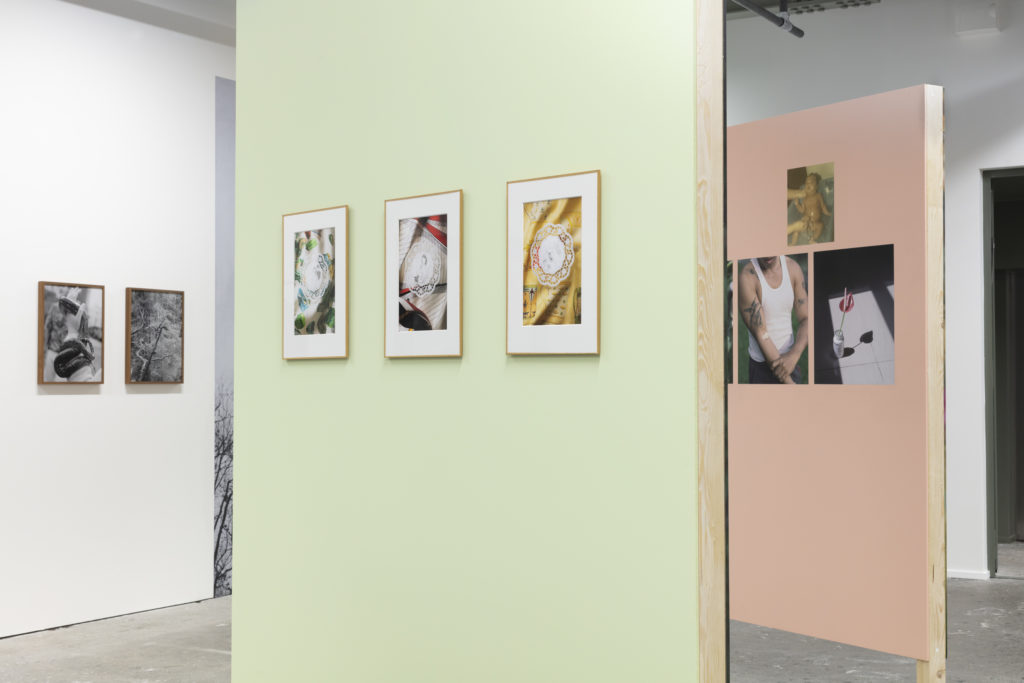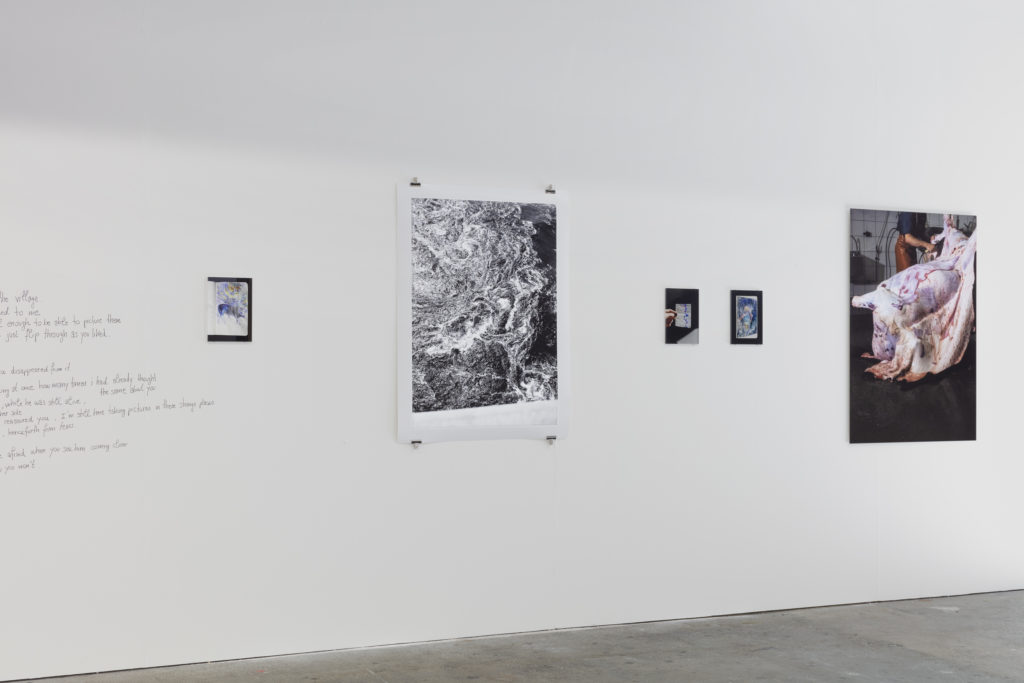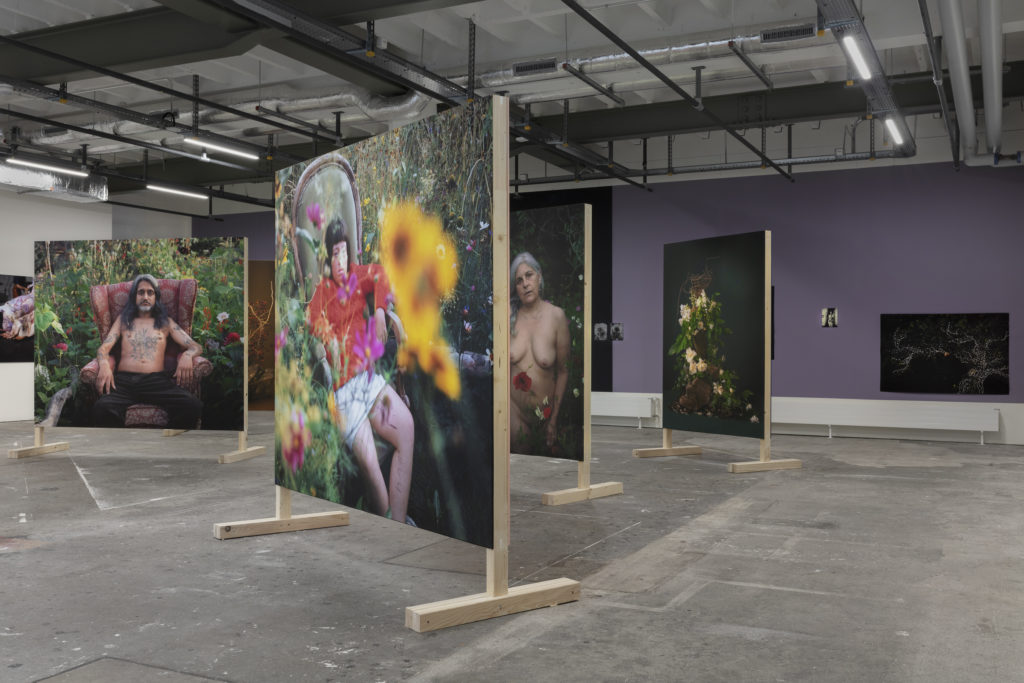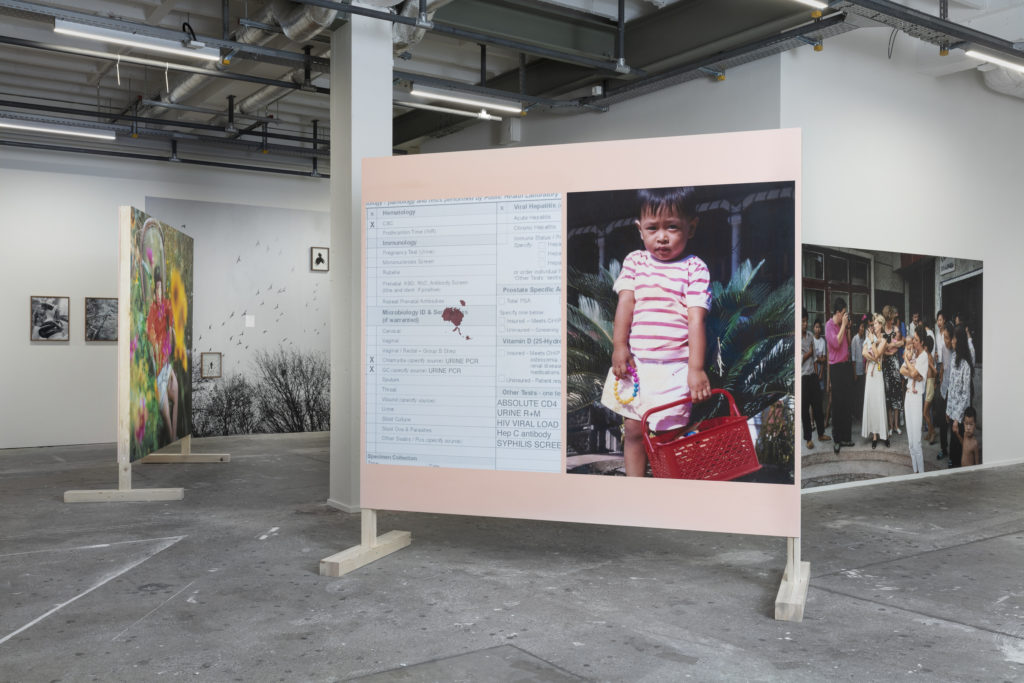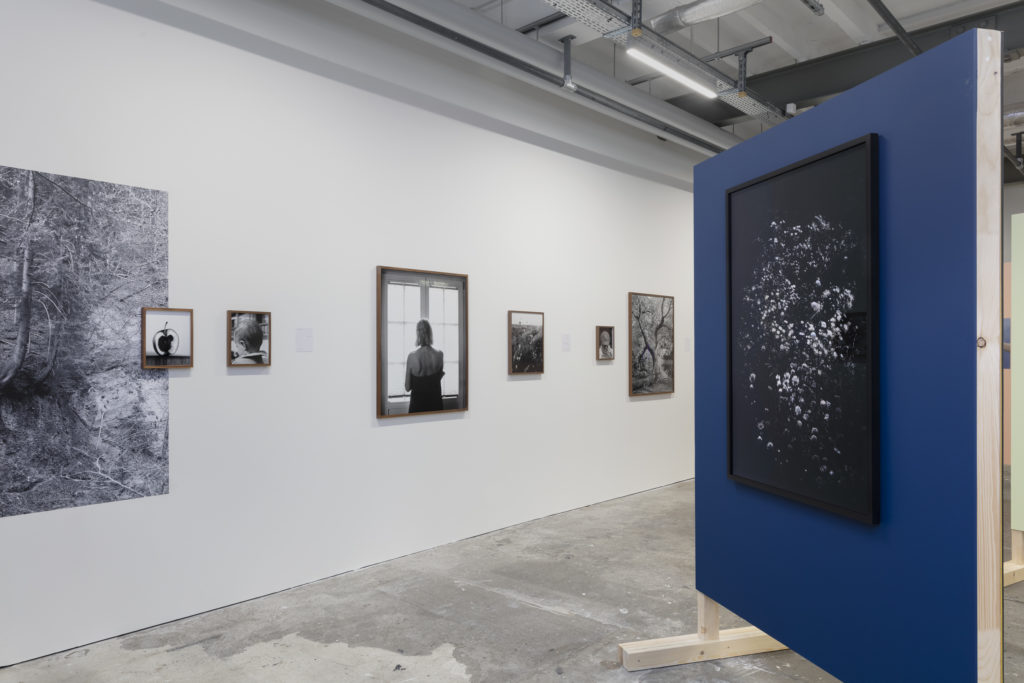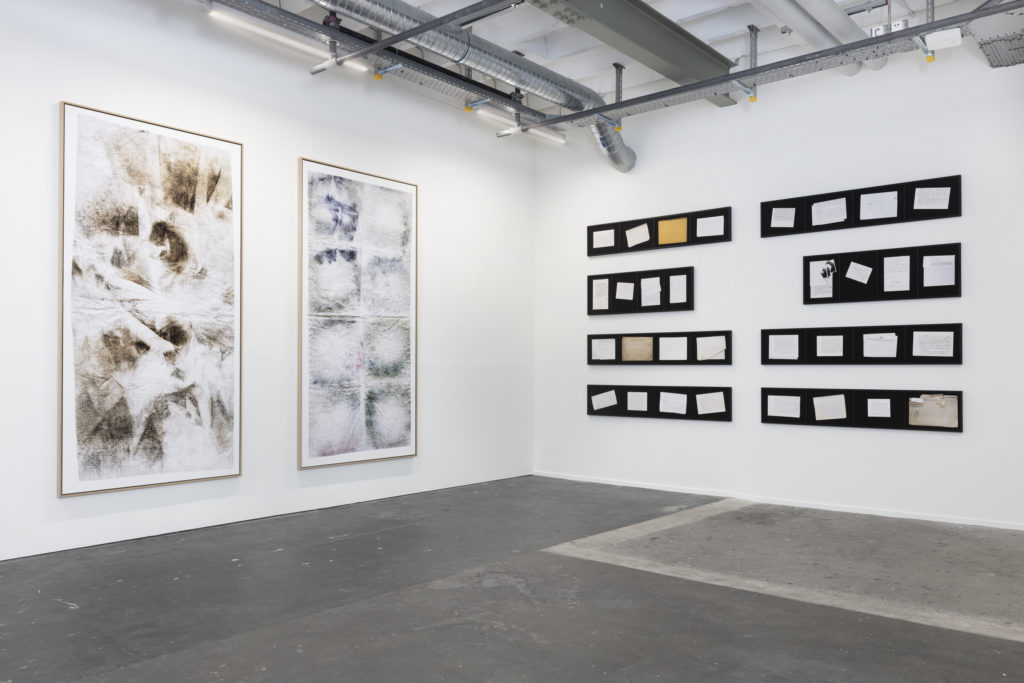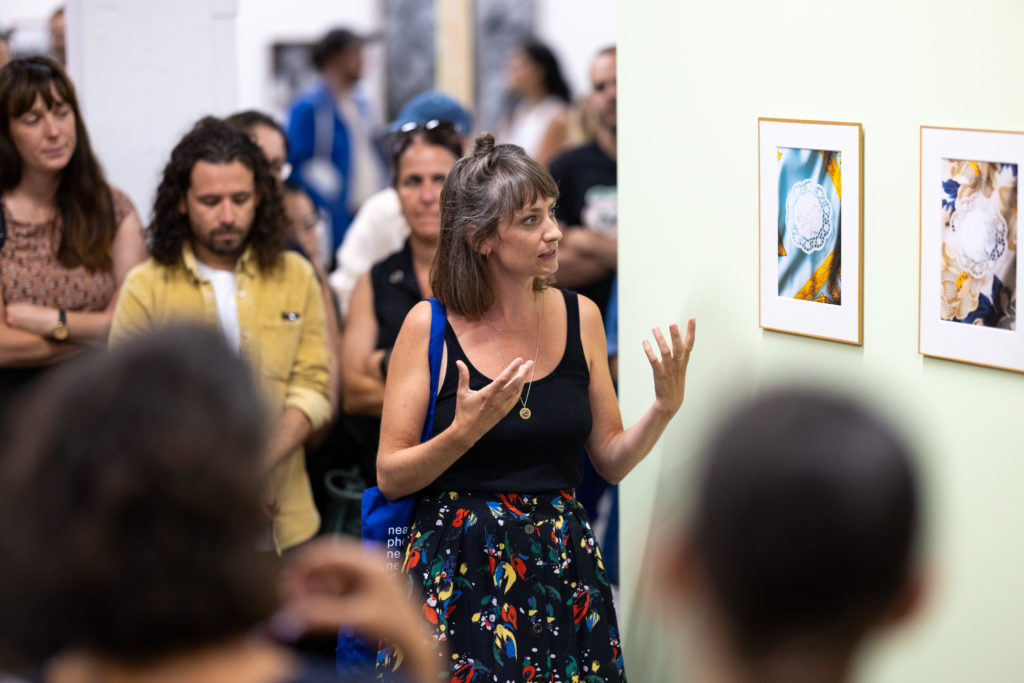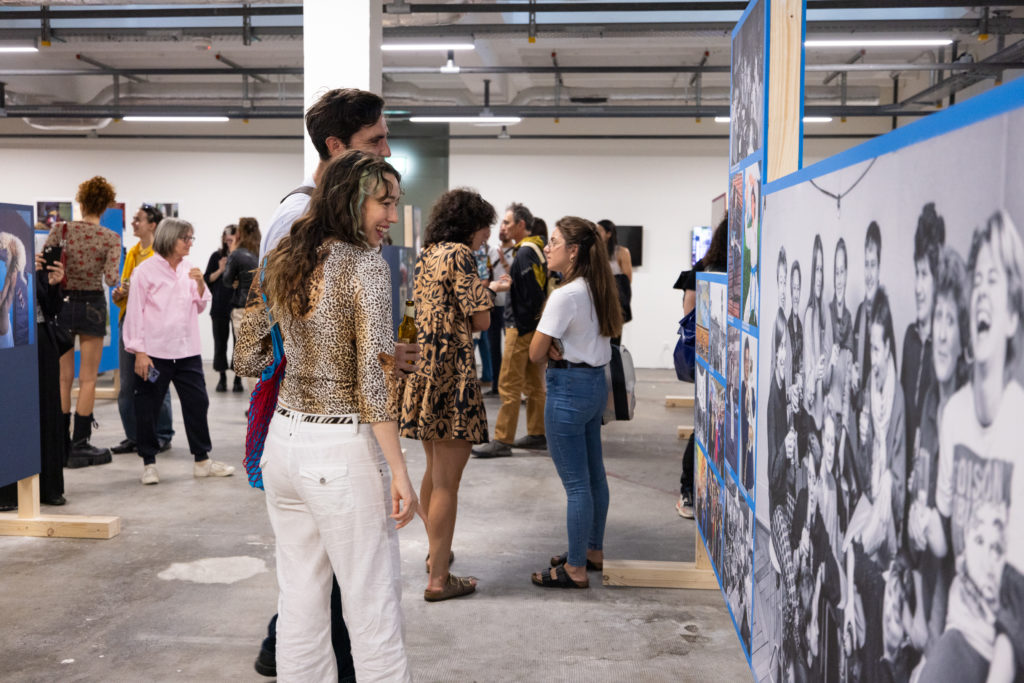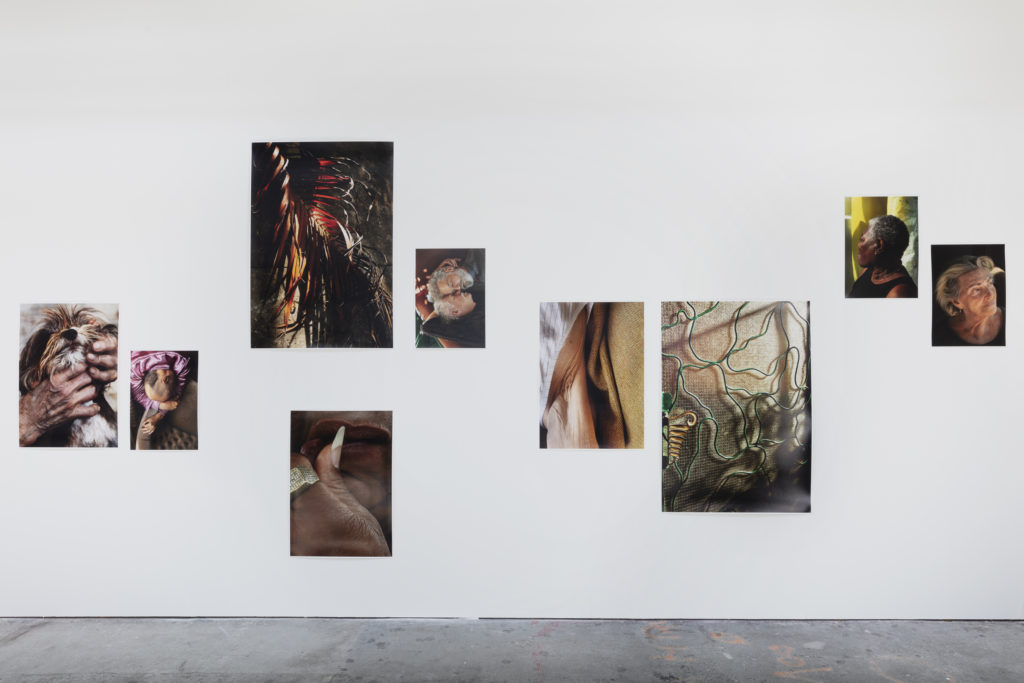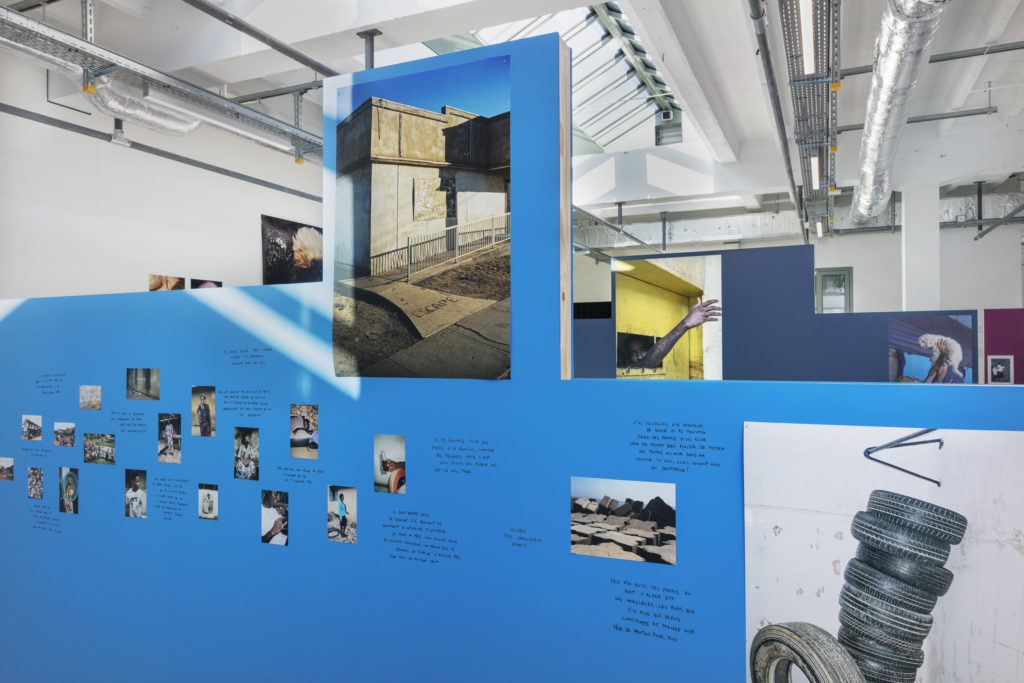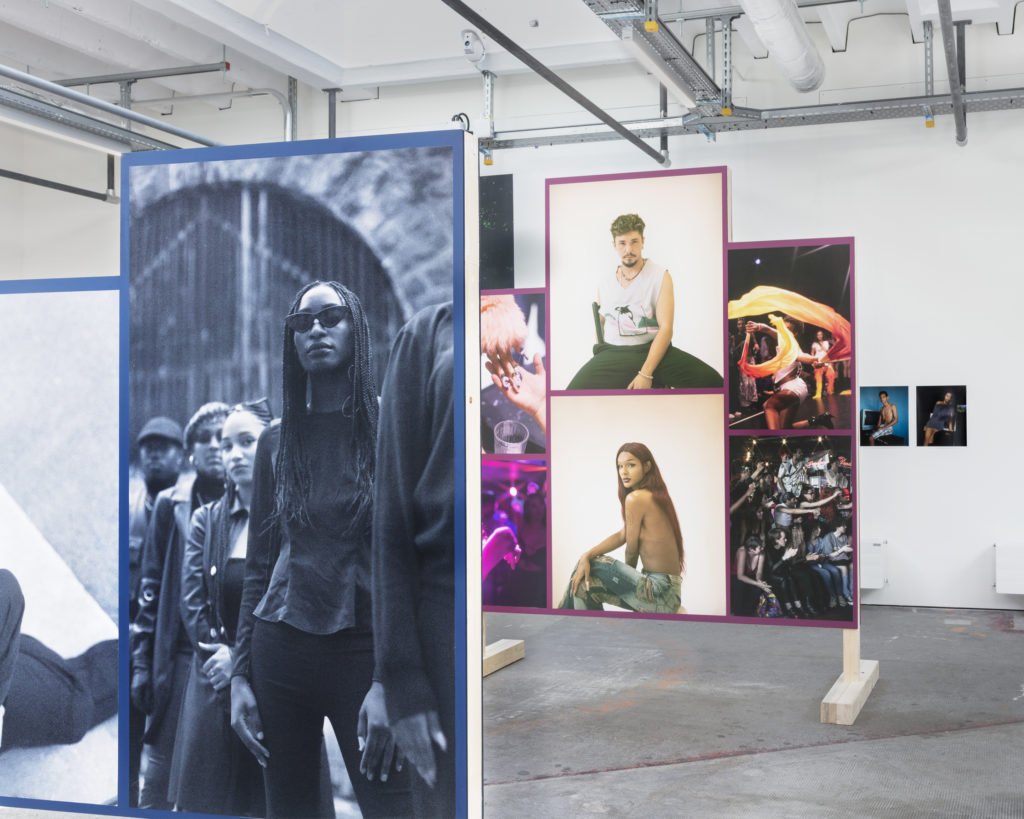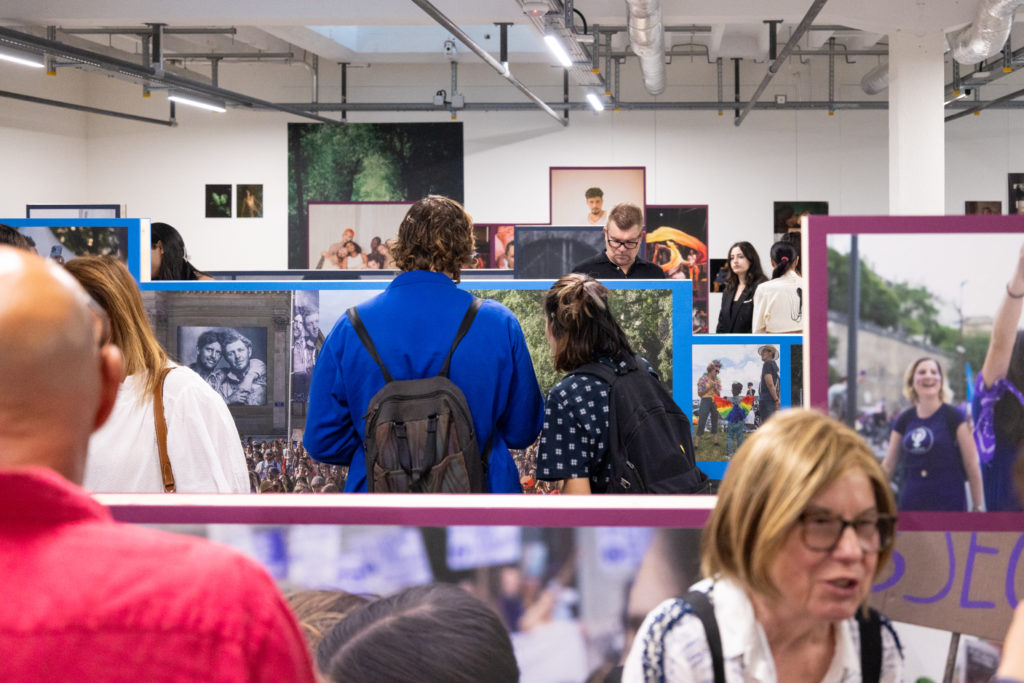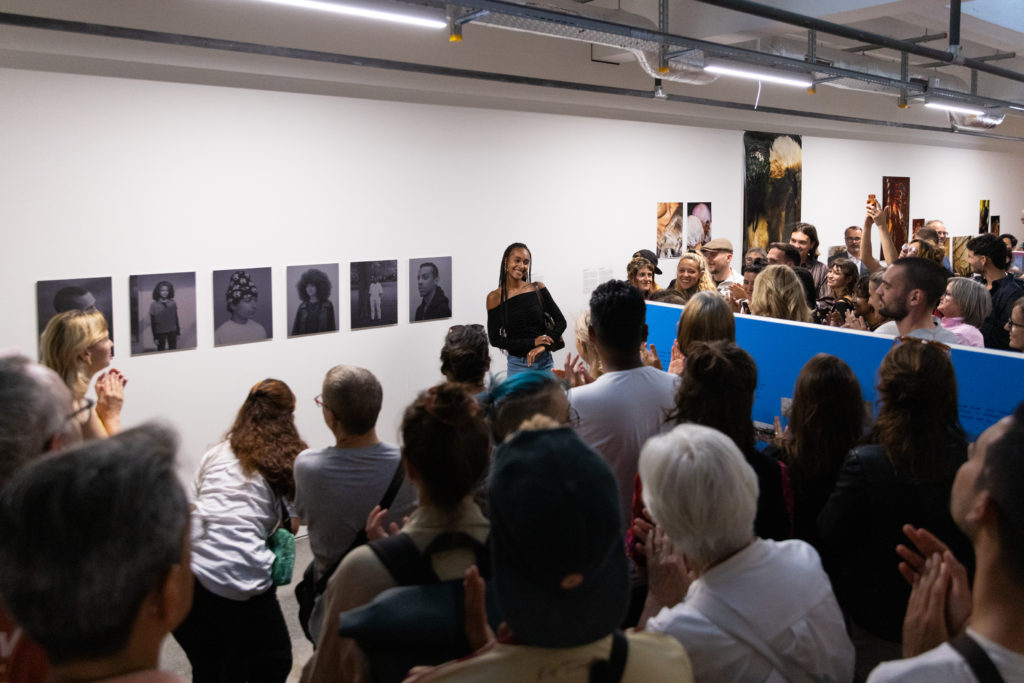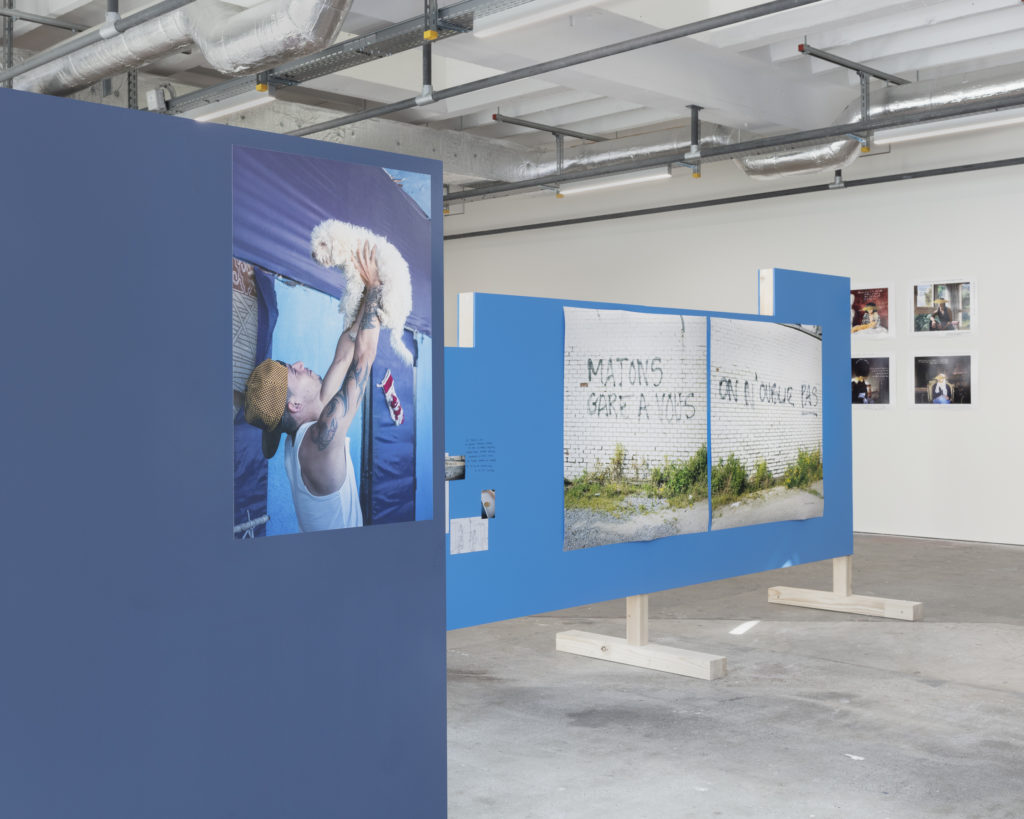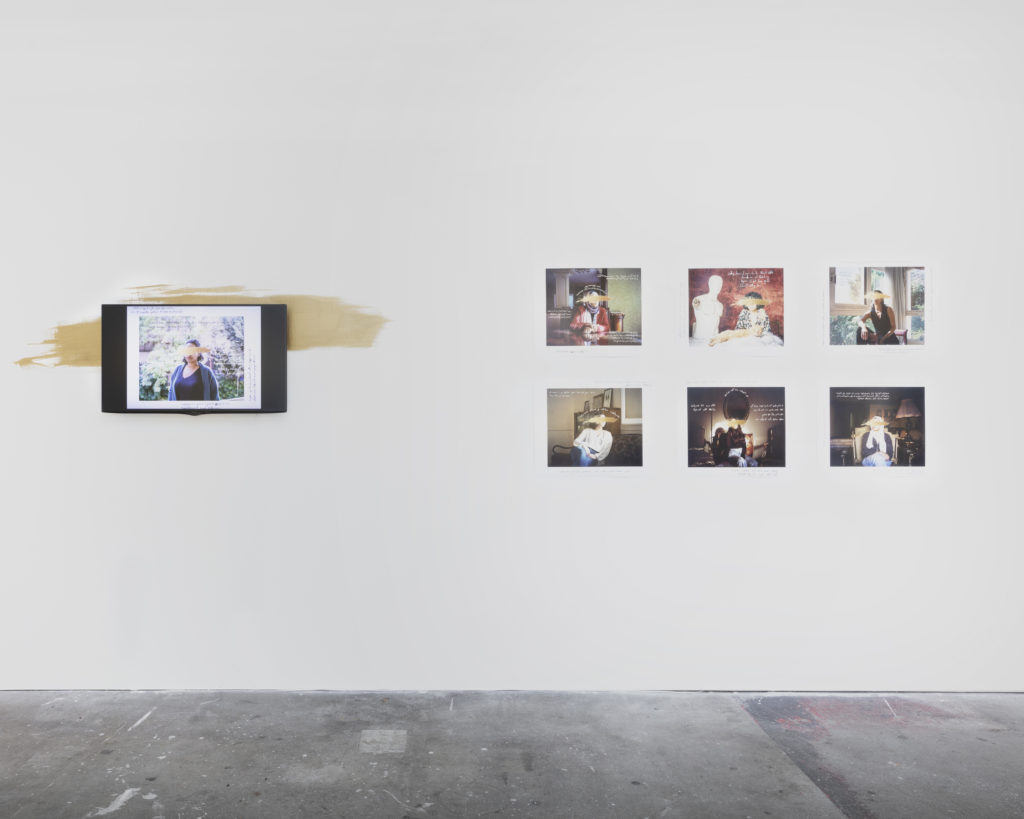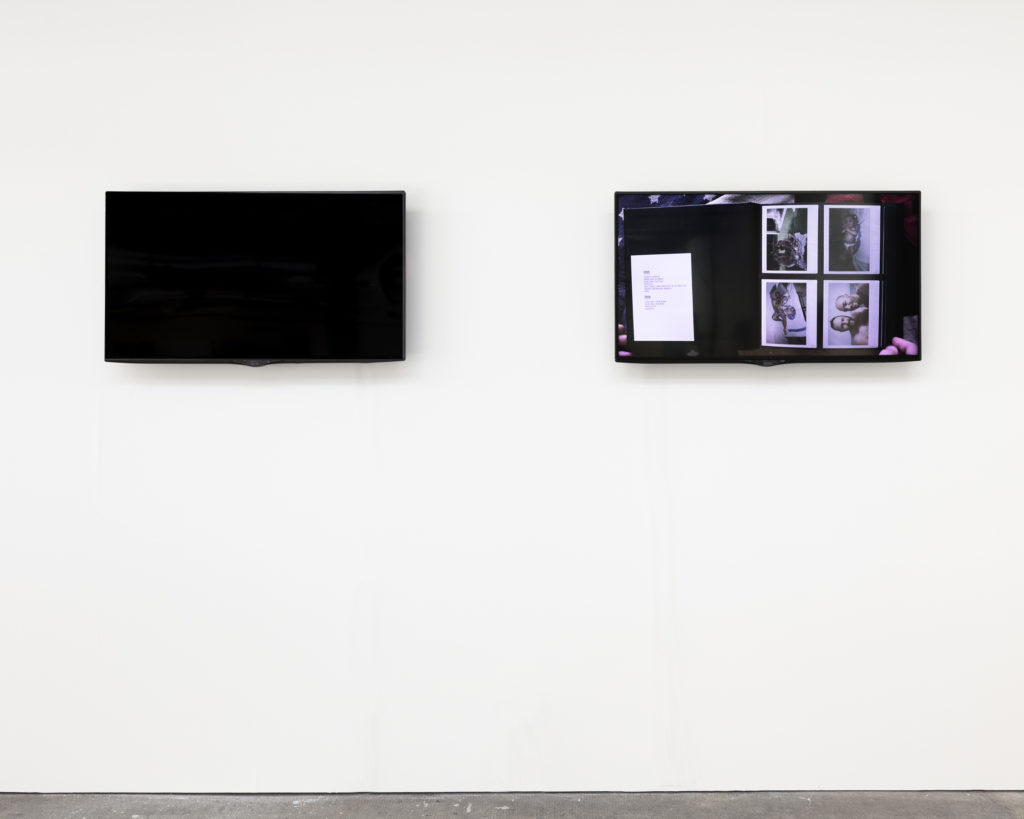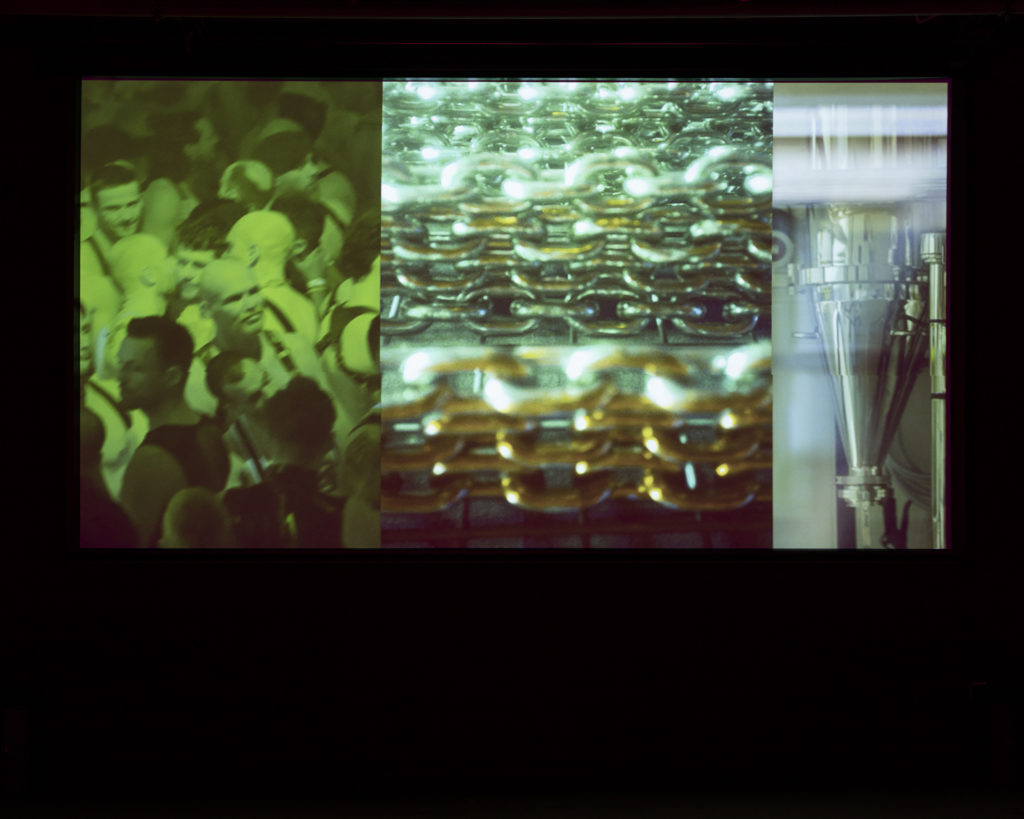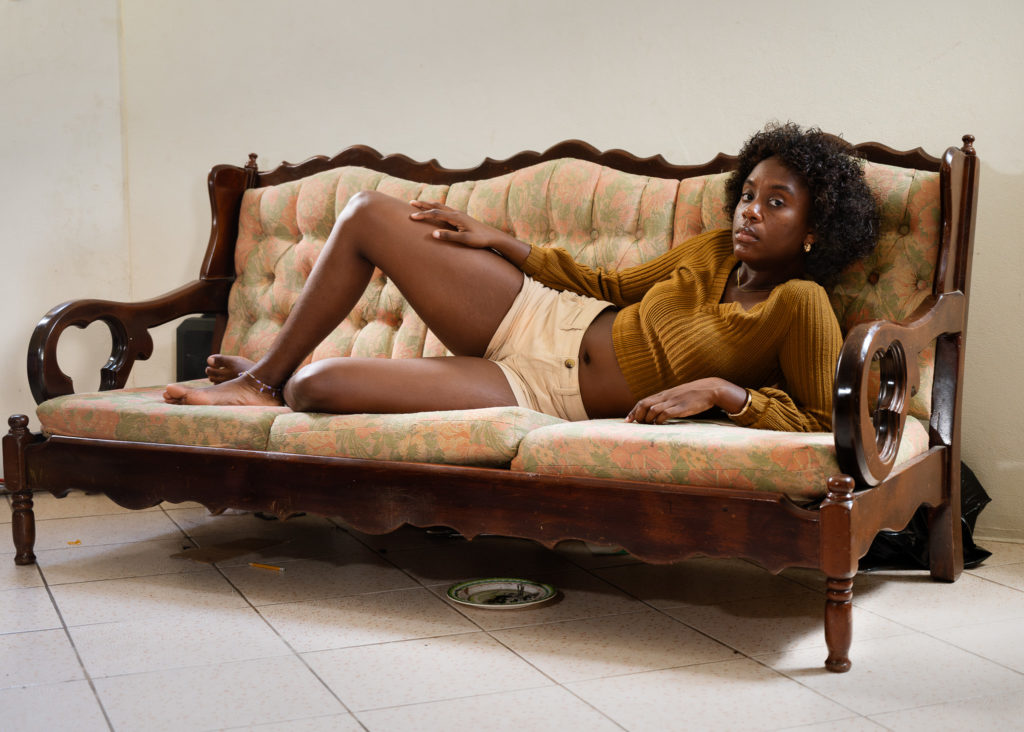
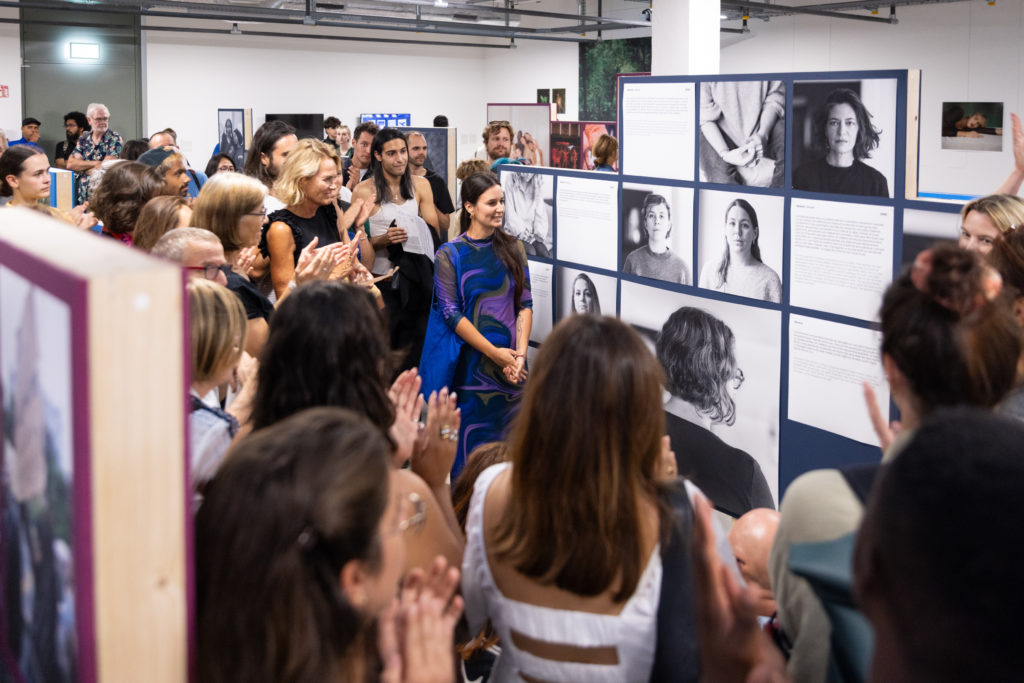
This exhibition brings together the work of 23 artists, and explores some ways in image-making can be akin to a practice of care: care for oneself, for others, for one’s community, for one’s history, for one’s narratives. Among the many possible relationships between care and photography, When Images Take Care looks in particular at the equally intimate and universal issues of grief and mourning, family relationships and what is left unsaid, as well as the more community-based issues of visibility and representation, the reappropriation of one’s own history, and activist images.
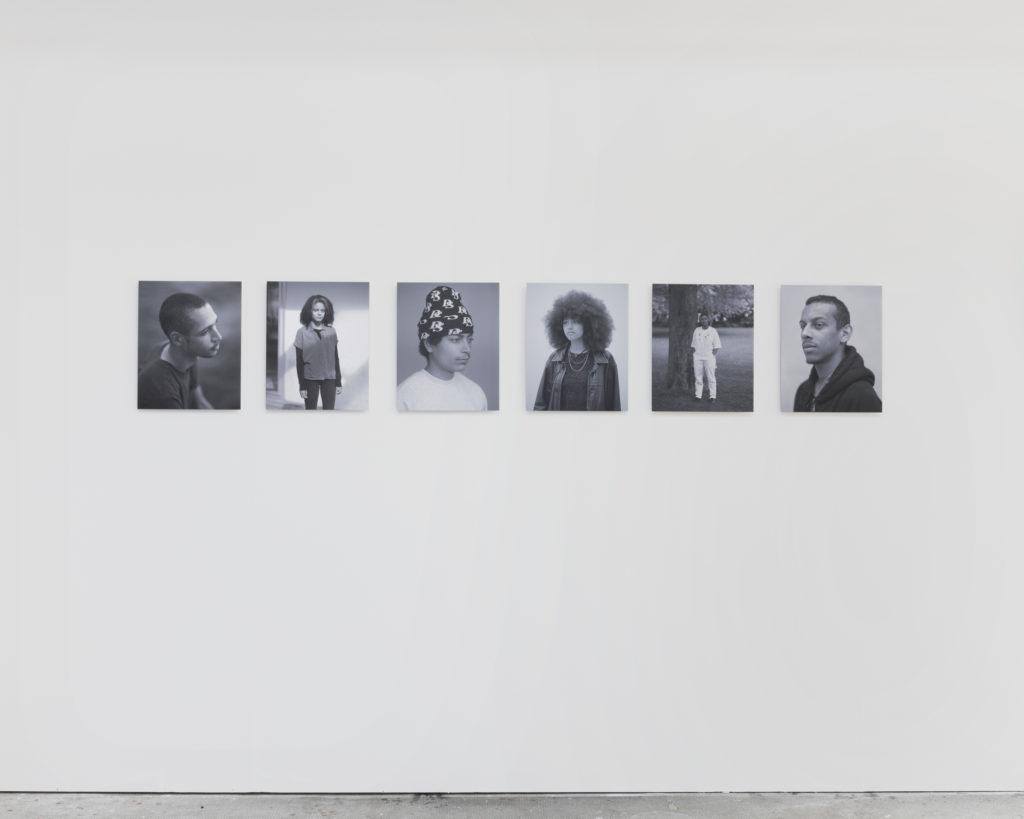
On the first floor, the focus is on the role of images in the construction of individual, intimate and family narratives, often linked to notions of identity, mourning, secrecy or illness. Images are harnessed to tell a story. The resulting visual narratives help make sense of an experience, in all its complexity, difficulty and sometimes brutality. Photography enables the expression of grief and confusion, vulnerability and doubt, but also tenderness, gentleness, attachment and grace. At times, the photograph can exalt or bring a form of serenity. At other times, it brings to light frustration, the impossibility of meaning and reconciliation. The works brought together here often have a fragile and delicate dimension. They embrace vulnerability and lay bare conflicted emotions and human relationships. The image is at once part of the process of making sense of and assimilating an experience, a witness to
a particular moment in that process, and a way of sharing it. By touching on major experiences of the human condition, these individual narratives possess a strong evocative power and invite a reflective and contemplative experience.
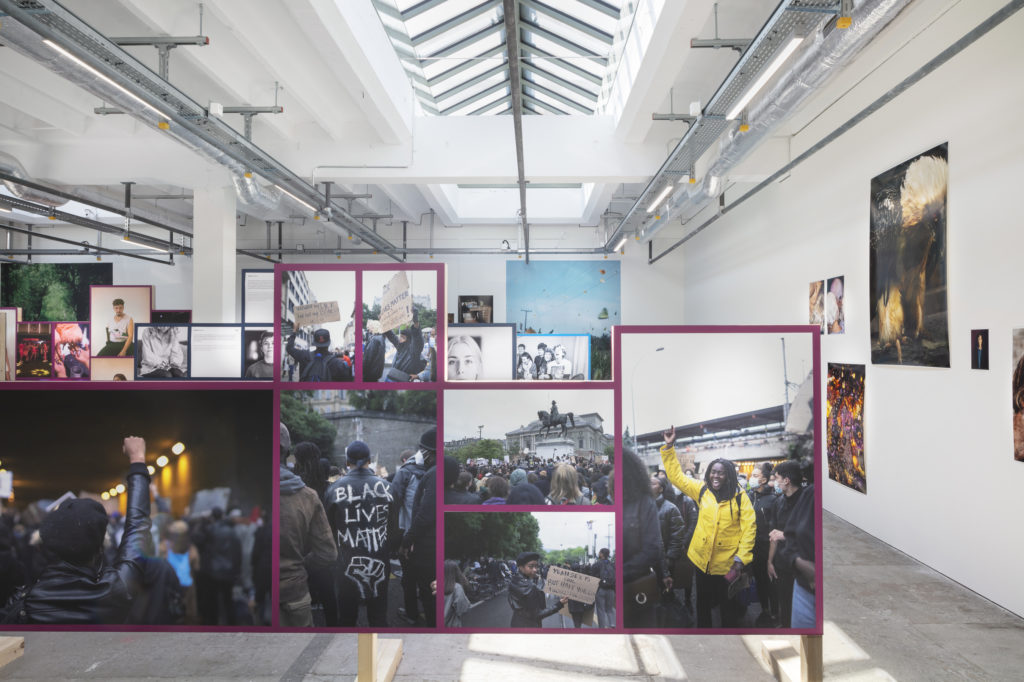
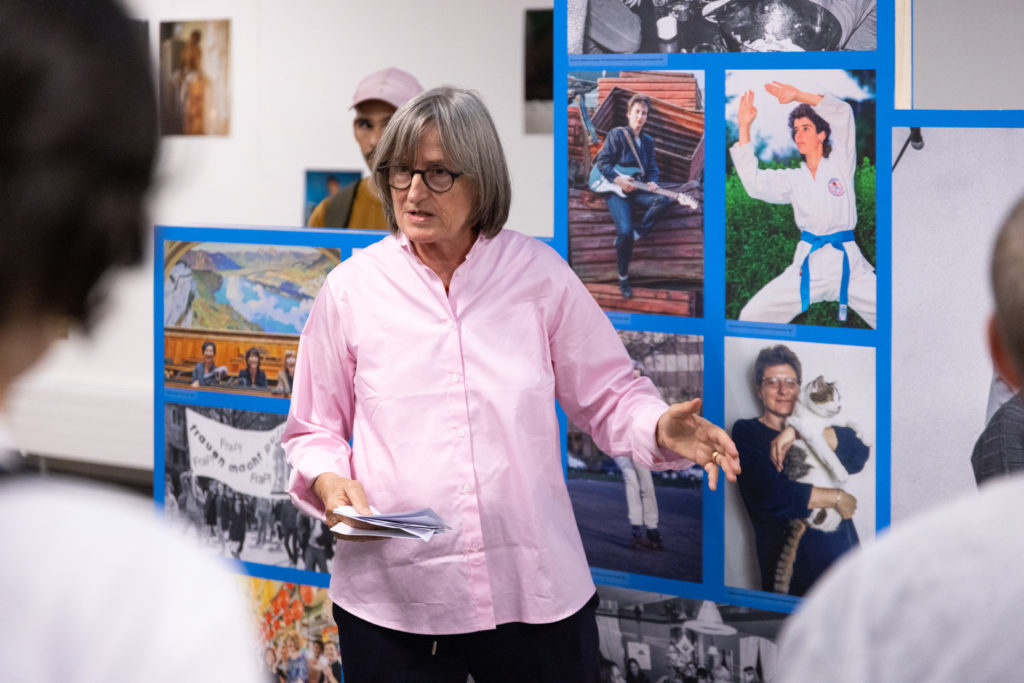
The second floor is devoted primarily to collective narratives. It explores the notion of care in relation to visibility and the representation of certain communities, and its connections with forms of activism. Particular attention is paid to social and civic movements in Switzerland, notably against racism, homophobia and sexism, and to the militant dimension that images can take on in these contexts. In the present, photography can be used to circulate the stories and actions of which it is sometimes an integral part, while helping to shape memory and write history. Alongside these more resolutely political uses of photography, other projects make visibility, and the overturning of preconceived ideas about certain groups or experiences, a practice of care. Here, the image is harnessed for its representational power, but also for its capacity to restore a certain form of empowerment.
While not attributing autonomous or universal healing abilities to images, this exhibition resolutely affirms the power of the photographic image as a means of autonomisation and emancipation, restoring one’s agency over one’s situation, identity, history and destiny.
With Vincen Beeckman, Soumya Sankar Bose, Aline Bovard Rudaz, Rebecca Bowring, Margaux Corda, Siân Davey, Lina Geoushy, Anne Golaz, Beau Gomez, Sabine Hess, Aimée Hoving, Laure Alabatou Reina Huguet, Youqine Lefèvre, Pablo Lerma, Daniel Jack Lyons, Ivan P. Matthieu, Anne Morgenstern, Zion Perrin, Ronald Pizzoferrato, Virgi- nie Rebetez, Ann Shelton, Samuel Spreyz and Sabine Wunderlin.
With the support of the City of Geneva and Le Commun, Loterie Romande, Ernst Göhner Stiftung and Pro Helvetia.