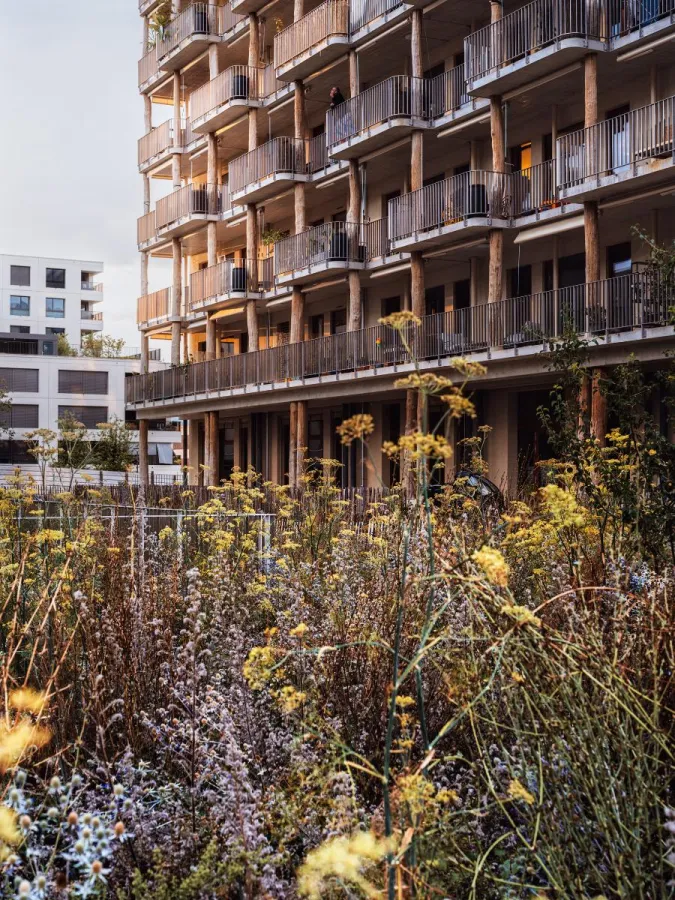
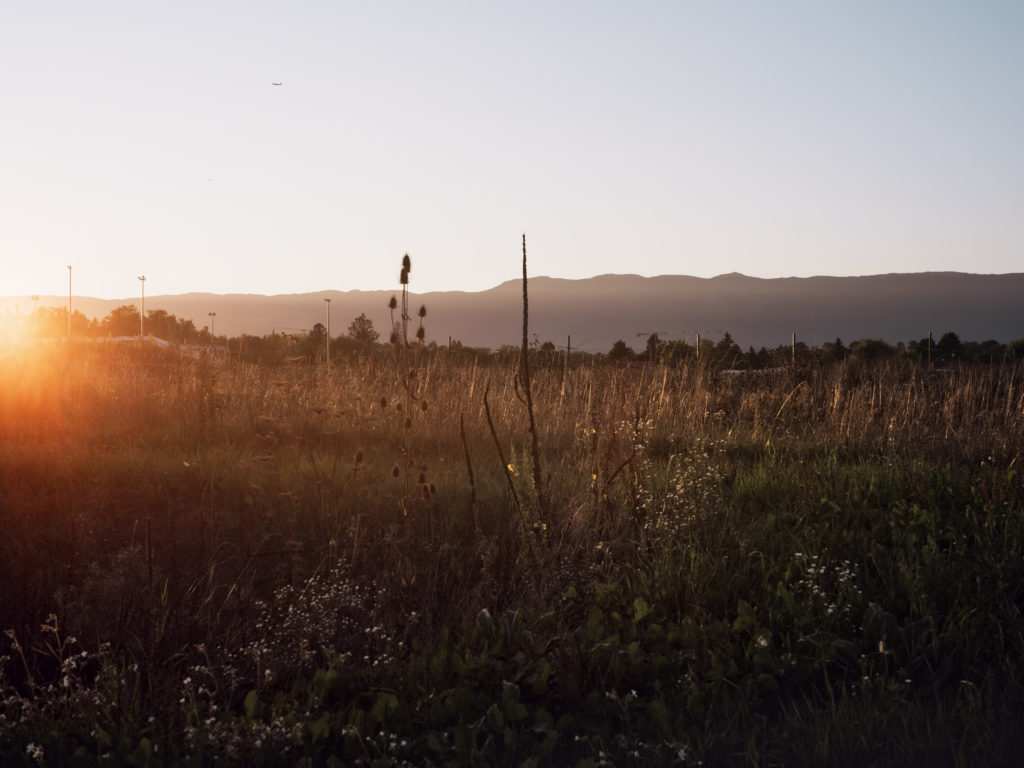
This exhibition explores our relationships with the plant world, and the ways in which plants become in turn objects of affection thanks to their aesthetic qualities, emblems of environmental upheaval, or perform symbolic functions. The Parc des Bastions became in 1817 Geneva’s first botanical garden, on the initiative of Augustin Pyramus de Candolle. He was the author of one of the first botanical classifications, and undertook a vast project that led to the description of nearly 60,000 plants. The notions of study and of typology similarly permeate the entire history of photography. From Anna Atkins’ cyanotypes of algae to Karl Blossfeldt’s enlargements of plants and Niki Simpson’s contemporary botanical illustrations, plant studies and typologies abound. Since the 1840s, photographers have made major contributions to the development of botanical knowledge, and to our visual culture of the plant world.
Echoing the history of the park, this exhibition features two contemporary botanical and artistic studies, one an intimate narrative and exploration of mother-daughter relations and the other one a research and reflection on invasive species. This is a satellite exhibition to the exhibition of the same name at Espace Ami-Lullin in the Bibliothèque de Genève. It was designed by Onlab Studio.
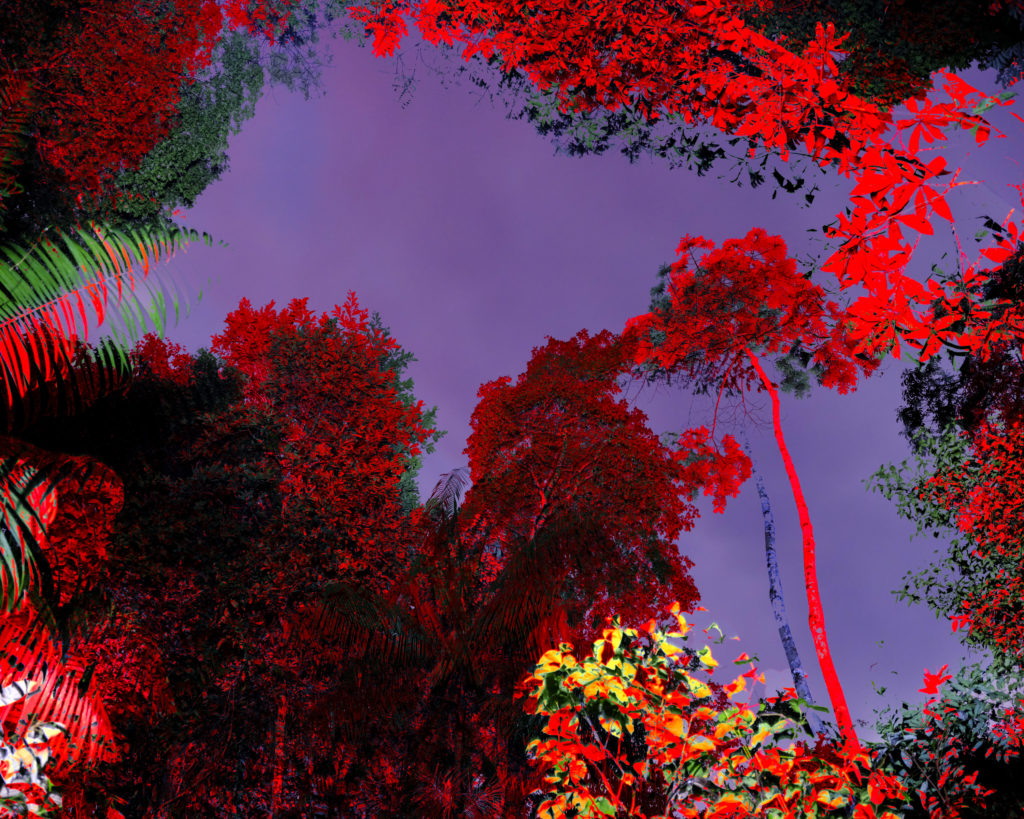
With his project Indociles, Swiss photographer Yann Mingard pays tribute to the plants that are considered invasive. They are often the ones best able to survive in polluted environments, particularly soils contaminated with heavy metals such as lead, mercury, copper or cadmium. These much-maligned organisms can therefore resist destructions brought by human activities. The black-and-white photographs of these ‘bad weeds’ are accompanied by their description, borrowed from the typology of the herbarium, from the field of botany, and by spectrum imagery of the heavy metals they absorb. Indociles is the final chapter of the artist’s trilogy on the Anthropocene, which began in 2009 with Deposit, followed by Everything is up in the air, thus our vertigo.
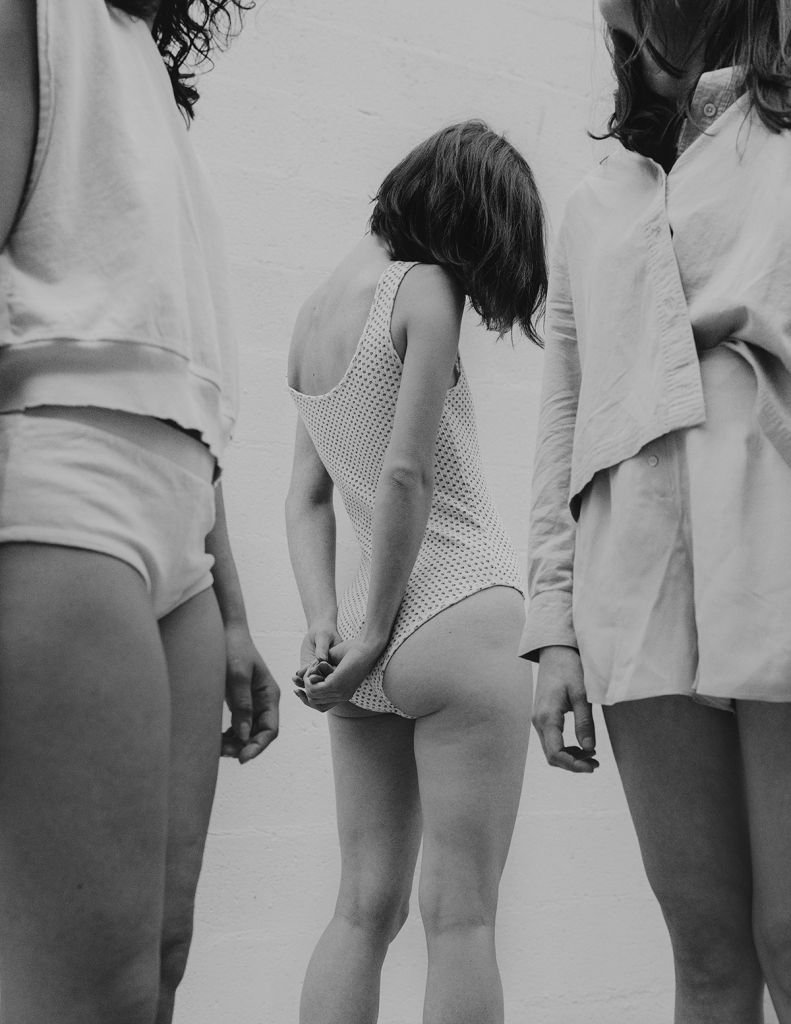
The project Almost All the Flowers in My Mother’s Garden, by Finnish artist Hilla Kurki, was photographed in her mother’s garden. Carefully cultivated garden in south-east Finland, it became almost a rival for the attention of her mother, and is harnessed as a starting point to talk about the challenges she faced in maintaining a close relationship with her mother. With her personal story as the outset of the project, she examines more broadly the complex relationships between mothers and daughters. The intimate memories accompanying the images have been collected from several women artists, including Kurki herself. Excerpts are freely associated with the photographs, forming testimonies about mother-daughter relations.